

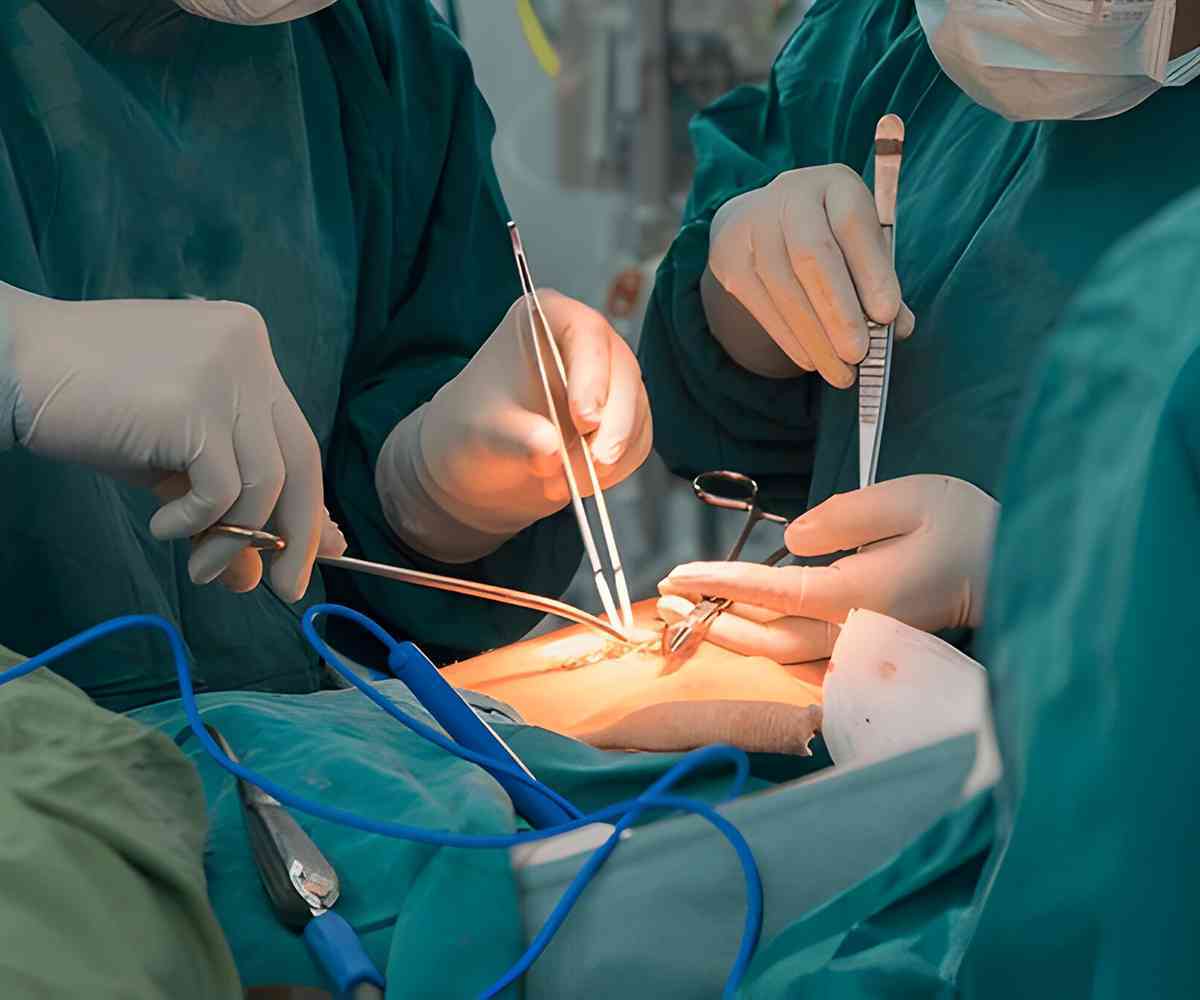
General Surgeons are physicians specialising in the field of medicine. General surgery performs various surgical procedures and interventions, diagnosing and treating everyday diseases to deadly cancers.
What Does a General Surgeon Look For?
General surgeons perform a wide range of surgical procedures. These procedures includeappendicitis, gallbladder problems, intestinal obstructions, abdominal pain and injuries, stomach and bowel surgery, breast surgery, thyroid and parathyroid surgery, haemorrhoid treatment and removal of skin lesions and tumours.

To help patients, general surgeons perform a thorough evaluation to accurately diagnose the disease or condition. This evaluation may include a physical examination, laboratory tests, imaging modalities and other diagnostic tools. Then, they plan and perform appropriate surgical interventions.
General surgeons take care to ensure the safety and comfort of patients while performing surgeries meticulously.In the postoperative period, they follow the recovery of patients and provide supportive treatments when necessary.
In summary, general surgeons are specialised physicians who find solutions to patients’ health problems through various surgical procedures. They act with sensitivity and professionalism in diagnosis and treatment processes, follow the recovery process of patients and support their health.
Why General Surgery?
General surgery is an important speciality in the field of medicine and is preferred for many reasons:
- Comprehensive expertise: General surgery is a broad speciality that covers various body regions and systems. This makes it possible to perform many different surgical procedures and diagnose different diseases.
- Emergencies and urgent interventions: General surgeons are specialists who can perform rapid interventions in emergency situations. For example, they can save patients’ lives in cases that require emergency surgery, such as appendicitis.
- Treatment of various diseases: General surgeons diagnose and treat diseases that occur in many organs such as gallbladder, intestine, stomach, pancreas. They can also perform surgical treatment of diseases such as breast cancer, thyroid problems, skin lesions.
- Compliance with technological advances: General surgery is constantly developing and following innovations with technological advances. This enables the use of surgical methods that are safer, less invasive and can offer faster recovery processes.
- Need and demand: The number of patients in need of surgery is increasing day by day. General surgeons therefore fulfil an important need in society and play an important role in improving the health of patients.
General surgery is a comprehensive speciality for the diagnosis and treatment of various diseases. General surgeons have the ability to deal with emergency situations and play an important role in improving the health of patients.
How to become a General Surgeon?
- Undergraduate education: You need to obtain a bachelor’s degree from a medical school. This period is usually 6 years and allows you to acquire basic knowledge of medical science.
- TUS exam: To start general surgery speciality training in Turkey, you need to take the TUS (Speciality Examination in Medicine) exam. The exam is an exam used for placement in speciality programmes among medical school graduates.
- Speciality training: After successfully passing the TUS exam, you will be admitted to a general surgery residency programme. This programme usually lasts 5 years and allows you to develop your surgical skills, gain clinical experience and deepen your theoretical knowledge. During the specialty training, you will receive training in various areas such as hospital rotations, surgical operations, clinical assessment and research activities.
- Speciality examination: After completing speciality training, you are required to take an exam organised by the Turkish Medical Association, which allows you to obtain the title of speciality. After successfully passing this exam, you are recognised as a general surgery specialist.
- Continuing education: It is important to continue continuing education in order to stay up to date and improve your skills in the field of general surgery. Attending scientific meetings, following publications and attending relevant courses are essential to maintain your expertise.
Remember, being a general surgeon requires a long training process and carries a great responsibility. During this time, it is important to be open to continuous learning and development.