

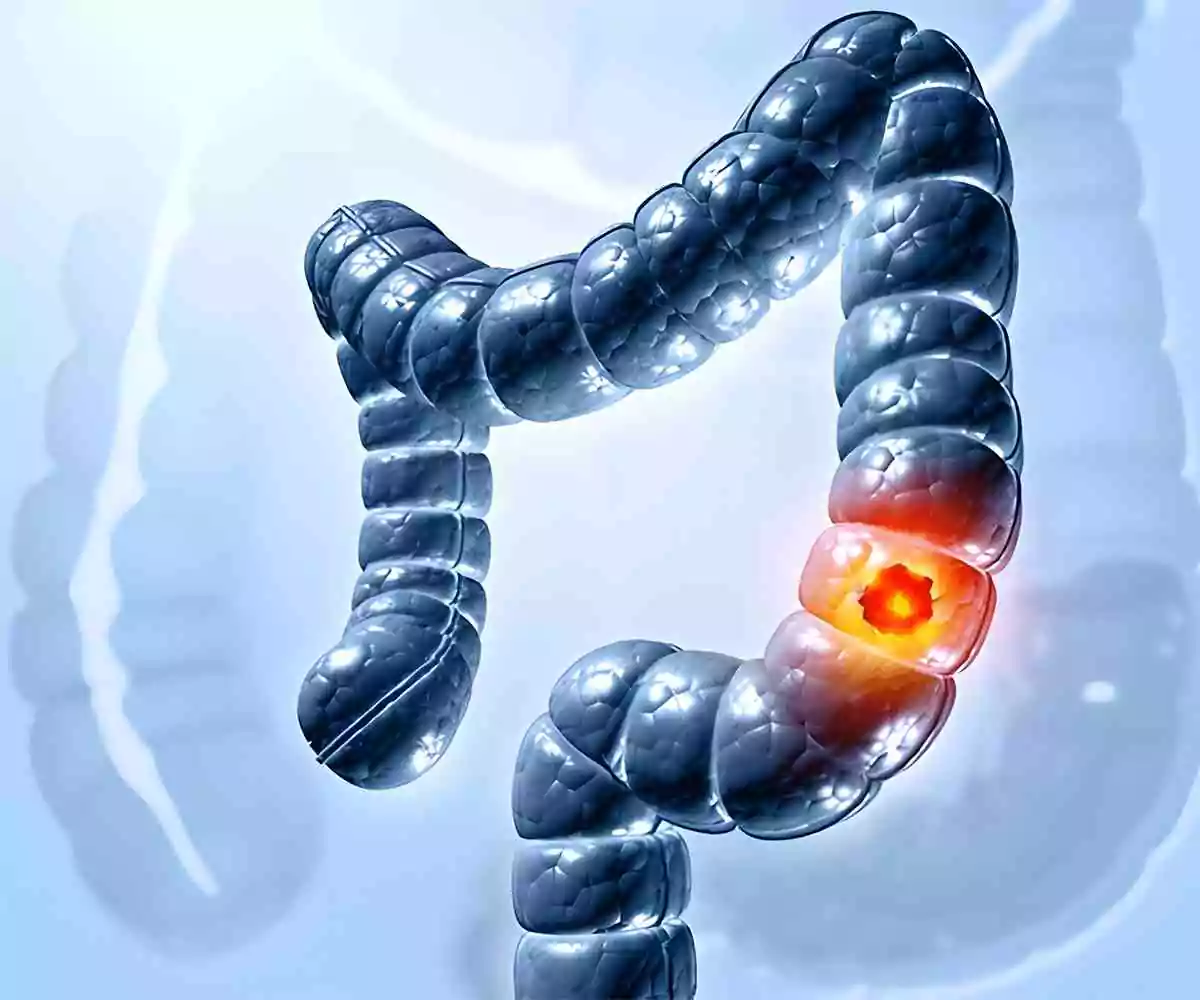
What is Colon Cancer?
Colon cancer A type of cancer that develops as a result of cellular changes that start in the lining of the large intestine, called the “colon”. The colon is the last part of the digestive system and is where the liquid part of undigested food waste is absorbed and solidifies.
Colon cancer usually starts initially as small, abnormal groups of cells called polyps. These polyps can develop into cancer over time. As the cancer progresses, it can spread to surrounding tissues and metastasize to other sites.
Symptoms of colon cancer can vary from person to person, but common symptoms can include abdominal pain, weight loss, blood in the stool or anemia. Early detection can improve the treatability of colon cancer. This is why regular medical check-ups and screening tests are important.
Risk factors for colon cancer include age, family history, high-fat and low-fiber diet, obesity, smoking, alcohol consumption and sedentary lifestyle. Treatment methods may vary depending on the stage of the cancer, the degree of spread and the general health status of the patient. Usually surgery, chemotherapy, radiotherapy or a combination of these are used.
If you or someone close to you is experiencing symptoms of colon cancer or is at risk, you should consult a health professional as soon as possible and seek appropriate medical advice.
What are the Causes and Risk Factors of Colon Cancer?
Colon cancer is a complex disease that can develop as a result of the interaction of multiple factors.
Risk Factors
- Age: Colon cancer usually increases with age. After the age of 50, the risk is higher.
- Family History and Genetics: People with a history of colon cancer or polyps in family members may have an increased risk. Some genetic syndromes may also increase the risk of colon cancer.
- Personal History: People who have had colon cancer or intestinal polyps before may have an increased risk.
- Inflammatory Bowel Diseases: Chronic inflammatory bowel diseases, especially long-term ulcerative colitis or Crohn’s disease, may increase the risk of colon cancer.
- Inherited Syndromes: Inherited syndromes, such as Lynch syndrome, may increase the risk of colon cancer.
- Diet: A high-fat and low-fibre diet, consumption of processed meat, low consumption of fruits and vegetables may increase the risk of colon cancer.
- Obesity: Being overweight or obese may increase the risk of colon cancer.
- Smoking: Smoking can increase both the risk of colon cancer and the risk of other types of cancer.
- Alcohol Consumption: Excessive alcohol consumption can increase the risk of colon cancer.
- Sedentary Lifestyle: Low physical activity may increase the risk of colon cancer.
- Radiation Exposure: A history of radiation exposure may increase the risk of colon cancer.
Protective Factors
- Healthy Diet: Consuming high-fibre foods (vegetables, fruits, whole grains) can protect colon health.
- Physical Activity: Regular physical activity can reduce the risk of colon cancer.
- Weight Control: Maintaining a healthy weight can reduce the risk of colon cancer.
- Smoking and Alcohol: Not smoking and limiting alcohol consumption can reduce the risk of colon cancer.
- Screening and Early Diagnosis: Regular colon cancer screening at certain ages can increase the treatability of cancer caught at an early stage.
“Remember that risk factors and protective factors should be considered together. The presence of risk factors can increase the risk of colon cancer, but it is possible to reduce the risk with protective factors. If you think you are at risk or notice symptoms, it is important to contact a health professional for screening and evaluation. “Prof. Dr. Tuğrul Çakır
What are the Symptoms of Colon Cancer?
Colon cancer is usually asymptomatic in the early stages and can progress silently. However, as the disease progresses, some symptoms may appear.
Colon cancer symptoms:
- Changes in Bowel Habits: If you notice changes in your bowel habits (for example, diarrhea or constipation), this may be a sign of colon cancer.
- Bloody or Black Stools: If you notice bright red or dark blood in your stool or black stools, this could be a sign of bleeding.
- Abdominal Pain and Discomfort: Chronic or recurring abdominal pain, cramping or discomfort can be a sign of colon cancer.
- Weight Loss: Rapid unexplained weight loss can be a sign of colon cancer.
- Fatigue and Weakness: Constant weakness, feeling tired and lack of energy can be one of the symptoms of colon cancer.
- Loss of Appetite: Loss of appetite and changes in eating habits can be among the symptoms of colon cancer.
- Iron Deficiency Anemia: Colon cancer can cause iron deficiency in the body due to bleeding. In this case, anemia (anemia) may develop.
- Bloating and Gas Problems: Excessive bloating, gas problems or a feeling of fullness in the abdomen can be symptoms of colon cancer.
These symptoms may be associated with colon cancer, but they may also indicate other health problems. If you notice these symptoms or have risk factors, you should talk to a health professional immediately. Early detection can improve the treatability of colon cancer. Remember that the symptoms listed above can apply to any health problem and should be evaluated by a doctor for a definitive diagnosis.

What is the Importance of Early Detection in Colon Cancer?
When colon cancer is detected early, the chances of treatment and success rate increase significantly. The importance of early diagnosis can be explained by the following:
- Treatment Success: Early stage colon cancers are usually smaller in size and less spread. Therefore, treatment methods such as surgery, radiotherapy and/or chemotherapy can be applied more effectively. With early detection, the tumor is more likely to be removed or controlled.
- Metastasis Prevention: As colon cancer progresses, it can metastasize to nearby lymph nodes and other organs. Early detection can prevent this spread of cancer or reduce the risk of it spreading.
- Less Aggressive Treatment: Colon cancer caught at an early stage may need less advanced treatments. This can help the patient maintain quality of life and minimize side effects.
- Shorter Treatment Time: Treatment for early-stage colon cancer can often be shorter. This can allow the patient to respond more quickly to treatment and return to a normal life more quickly.
- Long-term Survival: Long-term survival rates are higher in cases of colon cancer diagnosed early. The risk of the disease progressing to advanced stages is reduced.
- Fewer Complications: Early detection can help limit the size and spread of the tumor. This can lead to a lower risk of complications during or after surgery.
- Less Cost: Early detection can often mean a less costly course of treatment, as less aggressive treatments are required and the disease progresses to less advanced stages.
These benefits of early detection are possible when colon cancer cases are caught through screening tests and regular health checks. If you have risk factors or notice symptoms, it is important to contact a doctor as soon as possible. Screening and early detection can significantly improve the treatability of colon cancer and the patient’s quality of life.
What are Colon Cancer Screening Methods?
Colon cancer screening methods aim to diagnose the disease at an early stage and increase the chances of treatment. Colon cancer screenings are recommended at certain intervals depending on risk factors and age. Some of the colon cancer screening methods:
- Colonoscopy:
It is one of the most effective methods of colon cancer screening. During this procedure, a thin flexible tube (endoscope) views the inside of the rectum and colon. The doctor can remove or biopsy polyps or cancerous tissue. Colonoscopy can also be used for diagnostic and therapeutic purposes. - Home Stool Tests:
- FOBT (Occult Blood Test): A simple chemical test used to detect occult blood in the stool. Positive results may warrant a more extensive screening procedure such as a colonoscopy.
- FIT (Small Intestine Test): Similar to FOBT, this is a test that detects hidden blood in the stool. It gives more sensitive results.
- Cologuard: A test used to screen for both occult blood and genetic material in the stool.
- Flexible Sigmoidoscopy:
This involves visualizing the rectum and lower part of the colon with a flexible tube. Because it examines a shorter area than a colonoscopy, there is a higher risk of missing some polyps or cancers. - Virtual Colonoscopy (CT Colonography):
Detailed images of the rectum and colon are obtained using computed tomography (CT). This can be a non-invasive option, but a positive result often requires a colonoscopy. - Barite Examination:
A substance called barium is added to X-ray images of the bowel. This method is sometimes used for colon cancer screening.
Screening methods may vary depending on a person’s age, risk factors and general health. It is important to talk to your doctor to determine the most appropriate screening method for you. Early detection can increase the treatability of colon cancer.
What are the Stages and Classifications of Colon Cancer?
Colon cancer stages and classifications are used to determine how far the disease has progressed and spread. These classifications are important in determining the treatment approach and prognosis of the disease. Colon cancer stages are usually expressed by numbers from 0 to IV:
- Stage 0 (carcinoma in situ): Cancer cells are confined to the lining of the intestine and have not yet spread to neighboring tissues or lymph nodes.
- Stage I (Stage I): The cancer has not spread beyond the lining of the intestine, although it can sometimes spread to thicker layers. The lymph nodes are not affected.
- Stage II: The cancer may have spread into deeper layers of the intestinal wall. The lymph nodes are usually unaffected.
- Stage III: The cancer has spread to deeper layers of the intestinal wall and local lymph nodes.
- Stage IV: The cancer has spread to other organs outside the bowel (such as the liver, lungs, brain) or distant lymph nodes. This stage is also called metastatic colon cancer.
Colon cancer staging is done using various imaging tests (e.g. CT scan, MRI, PET scan) and methods such as biopsies to understand how far the cancer has progressed and where it has spread in the body. In addition to staging, classifications can also be made according to what type of cells the cancer is caused by or certain characteristics of the tumor.
Colon cancer treatment is determined depending on the stage of the disease, the extent of spread, general health and the patient’s preferences. Early detection and appropriate treatment can increase the curability of the disease. Therefore, regular screenings and health checks are important if symptoms or risk factors are present.
What are the Imaging Techniques Used in Colon Cancer Diagnosis?
There are various imaging techniques used in the diagnosis of colon cancer. These techniques are used to confirm the presence of cancer, determine its type, assess its stage and plan treatment. Some imaging techniques commonly used in the diagnosis of colon cancer:

- Colonoscopy: It is the most commonly used method for diagnosing colon cancer. A flexible tube (endoscope) is used to examine the inside of the rectum and large intestine in detail. The doctor can observe cancerous tissue, take a biopsy or remove polyps.
- Biopsy: A sample of suspected cancerous tissues is taken and examined under a microscope. Biopsy results can help determine the type and characteristics of the cancer.
- Barium X-ray (Barite Examination): A special substance called barium is injected into the intestines and X-rays are taken. With this method, the inner surface of the intestines can be visualized more clearly.
- Computed Tomography (CT): A CT scan can help assess the spread of cancer and lymph node involvement by creating cross-sectional images of the body.
- Magnetic Resonance Imaging (MRI): An MRI scan can create detailed images of cancerous tissues and assess its spread.
- PET Scan: A positron emission tomography (PET) scan is an imaging technique that evaluates the metabolism of cancer cells. PET scan can be used to detect the spread of cancer and metastases.
- Sigmoidoscopy: A flexible tube is used to examine the rectum and lower part of the colon. It can examine a shorter area than a colonoscopy, but is less likely to see all of the cancer.
These imaging techniques are important for your doctor to understand the condition of the disease and determine the appropriate treatment plan. More than one method may be used to make a diagnosis, and invasive procedures such as a biopsy may be needed to confirm the diagnosis. Which imaging method to use will depend on the patient’s condition and your doctor’s recommendations.
What are the Treatment Options for Colon Cancer?
Treatment of colon cancer may include various treatment options, depending on the stage of the disease, the degree of spread, the patient’s general health and other factors. Usually, one or a combination of more than one treatment method is used. Commonly used treatment options for colon cancer:
- Surgical Treatment: Surgery is performed to remove the cancerous tumor. This can be an effective option in the early stages. Methods such as local resection, partial colon resection, total colon resection and rectal resection can be used.
- Chemotherapy Chemotherapy is the use of drugs to destroy cancer cells or slow their growth. Chemotherapy can also be used to shrink the tumor before surgery or to control possible metastases after surgery.
- Radiotherapy: Radiotherapy is used to target cancer cells with high-energy beams to destroy them or slow their growth. In certain cases, such as rectal cancer, radiotherapy can be given before or after surgery.
- Targeted Therapies: In some cancers, drugs can be used to target proteins or molecules specific to cancer cells. These treatments can act more specifically on the cancer cell.
- Immunotherapy: Medicines can be used to stimulate the immune system to fight cancer. This type of treatment is being investigated, especially in the treatment of certain types of colon cancer.
- Palliative Care: For patients with incurable or advanced colon cancer, palliative care can be used to control symptoms and improve quality of life.
The treatment plan is customized according to the patient’s specific condition and the characteristics of the cancer. Often, more than one treatment modality is used together. It is important to consult an oncologist (cancer specialist) to determine the treatment plan and evaluate the most appropriate treatment options. Early detection and appropriate treatment can improve the curability and quality of life of colon cancer.
Colon Cancer Treatment Process
The treatment process for colon cancer can vary depending on the stage, type and spread of the disease and the general health of the patient. However, in general, the colon cancer treatment process may consist of the following stages:
- Diagnosis and Staging: Colon cancer is diagnosed through imaging tests, biopsy and physical examination. During the diagnosis stage, the stage of the cancer is determined, that is, how far the cancer has progressed and spread.
- Treatment Planning: After diagnosis and staging, a treatment plan is created. This plan is determined depending on the stage of the cancer, its spread, the patient’s general health status and preferences. One or more methods such as surgery, chemotherapy, radiotherapy, targeted therapies or immunotherapy may be used.
- Surgical Treatment: If appropriate, surgical removal of the cancerous tumor is planned. The surgical procedure at this stage may differ depending on the location and spread of the cancer. Surgical methods such as partial colon resection, total colon resection, rectal resection can be used.
- Chemotherapy and/or Radiotherapy: Chemotherapy and/or radiotherapy may be administered before or after surgery to treat or reduce the risk of cancer spreading. Chemotherapy involves the use of drugs to destroy cancer cells or slow their growth. Radiotherapy aims to target cancer cells with high-energy radiation.
- Targeted Therapies and Immunotherapy: In certain cases, drugs that target proteins or molecules specific to cancer cells or immunotherapy treatments that direct the immune system to fight the cancer may be used.
- Rehabilitation and Care: The patient’s recovery process is supported after surgery or during the treatment process. Physical activity, nutrition and lifestyle recommendations are given. In addition, palliative care can be applied to control side effects and improve quality of life.
- Follow-up and Controls: Regular check-ups are performed after treatment. These check-ups monitor whether the cancer has returned or recurred. In addition, the management of side effects and general health status are monitored.
The treatment process may differ from patient to patient. The treatment plan and details may vary depending on the patient’s condition and response to treatment. It is therefore important to collaborate with an oncologist (cancer specialist) and determine the treatment plan. Early diagnosis and appropriate treatment can improve the curability and quality of life of colon cancer.
Side Effects and Management in Colon Cancer Treatment
Depending on the methods used during colon cancer treatment, various side effects may occur. The type of treatment, dose, duration and personal factors (age, general health, etc.) may affect the severity and type of side effects. Common side effects in colon cancer treatment and management recommendations:
- Chemotherapy Side Effects:
- Nausea and vomiting: Can be controlled with antiemetic drugs.
- Hair Loss: Hair wigs or head scarves can be used to prevent hair loss.
- Fatigue: Rest and regular physical activity may help.
- Immune Suppression (Weakening of the Immune System): It is important to pay attention to hygiene to reduce the risk of infection.
- Radiotherapy Side Effects:
- Skin Irritation: Can be relieved with moisturizing creams and skin care products.
- Fatigue: Can be managed with regular rest and activity planning.
- Bowel Problems: Paying attention to diet, drinking water and consuming fibrous foods to prevent constipation can help.
- “Side Effects of Bowel Diversion Surgery (Colostomy):
- Colostomy Care: Stoma care and bag change should be learned.
- Psychological Impact: Psychological support may be needed to support the process of adjusting to colostomy.
- Targeted Therapies and Side Effects of Immunotherapy:
- Immune System Reactions: Symptoms such as fever, fatigue or skin reactions may occur. Stay in touch with your doctor.
- Fatigue: It is important to maintain your energy levels and rest.
- Nutrition Problems: Loss of appetite, weight loss or digestive problems may occur during treatment. A healthy and nutritious diet is important.
- Psychological and Emotional Effects: The treatment process can come with stress, anxiety and emotional difficulties. It is important to seek psychological support.
To cope with side effects, you should be in constant contact with your doctor and share your symptoms with him/her. Following your doctor’s recommendations, collaborating with your healthcare team and adjusting your lifestyle appropriately can help manage side effects. Maintaining your health and quality of life should be a priority when dealing with side effects.
Healthy Lifestyle and Colon Cancer
Healthy lifestyle factors can influence colon cancer risk. Healthy lifestyle choices can play an important role in reducing cancer risk and preventing the disease. Here is some information on the relationship between healthy lifestyle and colon cancer and what these factors are:
- Diet: A healthy and balanced diet is important in reducing the risk of colon cancer. Fiber-rich foods (vegetables, fruits, whole grains), avoiding low-fat and processed foods, limiting red meat and processed meat consumption can be effective in reducing the risk of cancer.
- Physical Activity: Regular exercise can help reduce the risk of colon cancer. Physical activity can have a positive effect by increasing intestinal motility and keeping body weight under control.
- Weight Control: Staying at a healthy weight or losing weight can reduce the risk of colon cancer. Being overweight or obese can increase the risk of cancer.
- Alcohol and Smoking: Limiting or completely stopping alcohol consumption and avoiding smoking can reduce the risk of colon cancer. Alcohol and cigarettes may contain carcinogenic substances.
- Bowel Health: Adequate fiber consumption, drinking water and regular toilet habits are important to ensure healthy bowel function and regular bowel habits.
- Regular Screening: Once you reach a certain age, it is important to regularly attend colon cancer screenings. Early detection can increase the treatability of the cancer.
- Stress Management: Stress management techniques can boost immune system function and help in reducing the risk of cancer.
Adopting healthy lifestyle factors can reduce the risk of colon cancer as well as improve overall health and quality of life. Developing healthy lifestyle habits that suit you can help prevent colon cancer and many other health problems. Each individual’s needs are different, so it is important to consult the recommendations of a health professional.
Colon Cancer Prevention
You can take steps to prevent colon cancer, such as healthy lifestyle choices and regular screenings. Here are some measures that can help prevent colon cancer:
- Healthy Diet:
– Eat fibrous foods (vegetables, fruits, whole grains).
– Limit consumption of red meat and processed meat.
– Avoid low-fat and processed foods.
– Drink enough water. - Physical Activity:
– Do at least 150 minutes of moderate exercise or 75 minutes of vigorous exercise per week.
– Include activities such as regular walks, swimming and cycling in your life. - Weight Control:
– Try to maintain a healthy weight or lose weight.
– Being overweight or obese can increase the risk of colon cancer. - Alcohol and Smoking:
– Limit or preferably stop drinking alcohol.
– Avoid smoking completely. - Regular Screenings:
– When you reach a certain age, attend colon cancer screenings. Early detection can increase the chances of a cure. - Genetic Factors and Family History:
– If you have a family history of colon cancer or carry genetic risk factors, assess your risk with your doctor and follow recommended screening guidelines. - Bowel Health:
– Increase intestinal motility by eating fibrous foods.
– Drink water and maintain regular bowel habits. - Stress Management:
– Use techniques such as meditation, yoga, deep breathing to manage stress. - Medications and Supplements:
– Take medications and supplements as recommended by your doctor. In particular, substances such as folic acid and calcium have been shown to reduce the risk of colon cancer. - Doctor Visits:
– Attend regular check-ups and monitor your health with your doctor.
It is important to take these steps to prevent colon cancer. In particular, you can reduce your risk of cancer by paying attention to risk factors and adopting healthy lifestyle choices. Each individual’s needs are different, so it is best to take individualized measures in consultation with your doctor.
Colon Cancer Statistics and Epidemiology
Colon cancer is a common cancer worldwide. Statistics and epidemiological data help us understand the prevalence of the disease, its risk factors and the populations it affects. Here are some statistics on colon cancer:
- Colon Cancer Incidence: Colon cancer is the second most common type of cancer in men and women. Although it varies by year and region, it is more common in developed countries.
- Age and Colon Cancer: Colon cancer tends to occur after the age of 50. However, it can also be seen rarely in young people.
- Risk Factors: Factors such as age, family history, genetic factors (for example, inherited colon cancer syndromes), poor diet, obesity, smoking, inadequate physical activity and inflammatory bowel diseases can increase the risk of colon cancer.
- Worldwide Statistics: According to the World Health Organization (WHO), colon cancer accounts for approximately 1.8 million new cases and more than 900,000 deaths each year. This type of cancer is the third leading cause of cancer death worldwide.
- Regional Differences: Colon cancer prevalence varies in different regions around the world. While it is more common in developed countries, increasing incidence rates have been reported in developing countries. This may reflect the influence of lifestyle factors.
- Early Detection and Screenings: Regular screenings and early detection can improve the treatability of colon cancer. Colonoscopy and other screening methods can catch cancer in its early stages, increasing the chances of treatment.
Statistics on colon cancer raise awareness about the importance and impact of the disease and emphasize the importance of healthy lifestyle choices and regular screenings. By paying attention to risk factors and attending regular health check-ups, you can reduce the risk of colon cancer and reap the benefits of early detection.