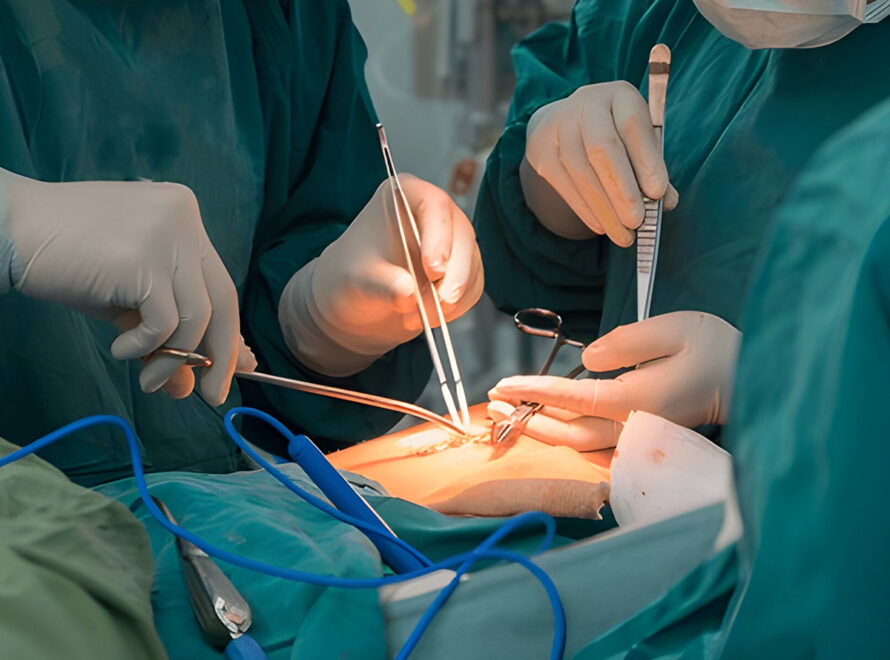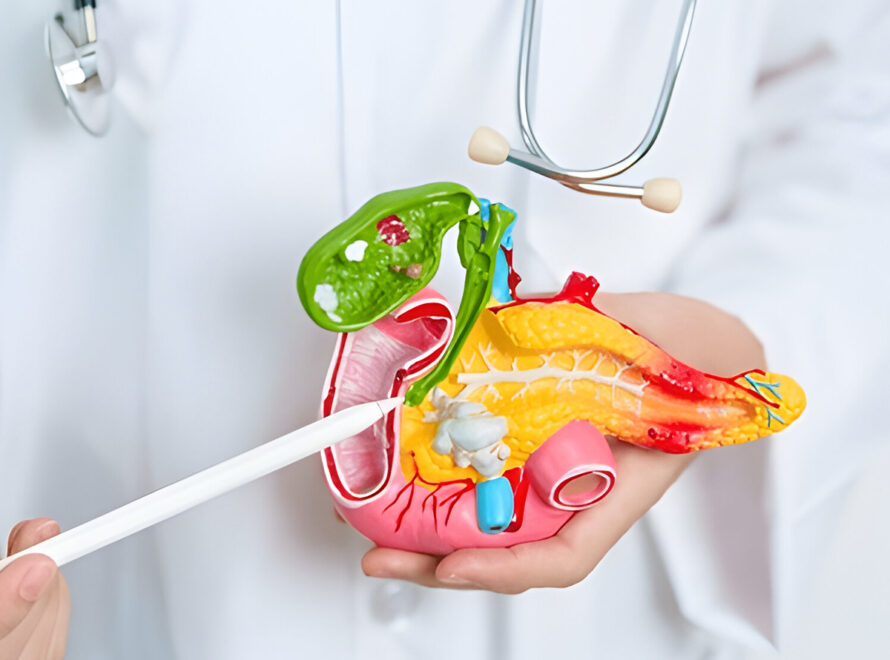

What is Pancreatic Surgery?
Pancreatic surgery involves the surgical treatment of diseases and tumours of the pancreas. The pancreas is an important organ that plays a vital role in the production of digestive enzymes and hormones. Therefore, pancreatic surgery is a highly sensitive and specialised field.
In which cases is pancreatic surgery necessary?
- Pancreas Tumours
- Pancreatic Cysts
- Pancreatitis
- Traumatic Injuries of the Pancreas
- Pancreatic Dysfunctions
Treatments Offered in Pancreatic Surgery
Whipple Surgery
Distal Pankreatektomi
Total Pancreatectomy
Enucleation
Pancreatic Drainage
Laparoscopic Pancreas Surgery
Pancreatic Surgery Treatment Process in Turkey
Preliminary Interview and Evaluation
Treatment Planning and Travel Arrangements
Preoperative Preparation
Surgical Intervention
Postoperative Care and Rehabilitation
Recovery on Holiday
Post-Treatment Monitoring and Support
Why Should You Choose Antalya, Turkey for Pancreatic Surgery?
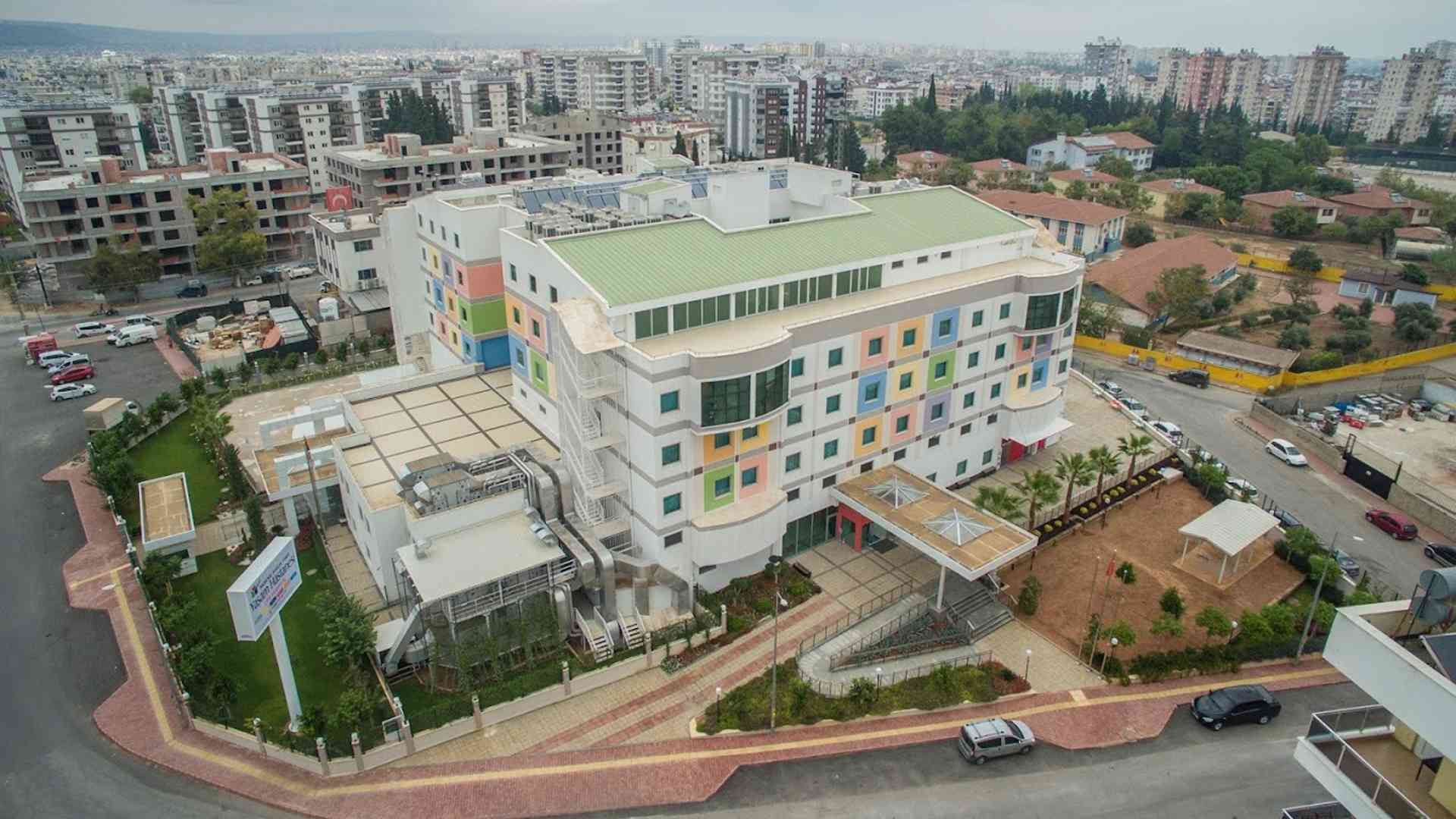

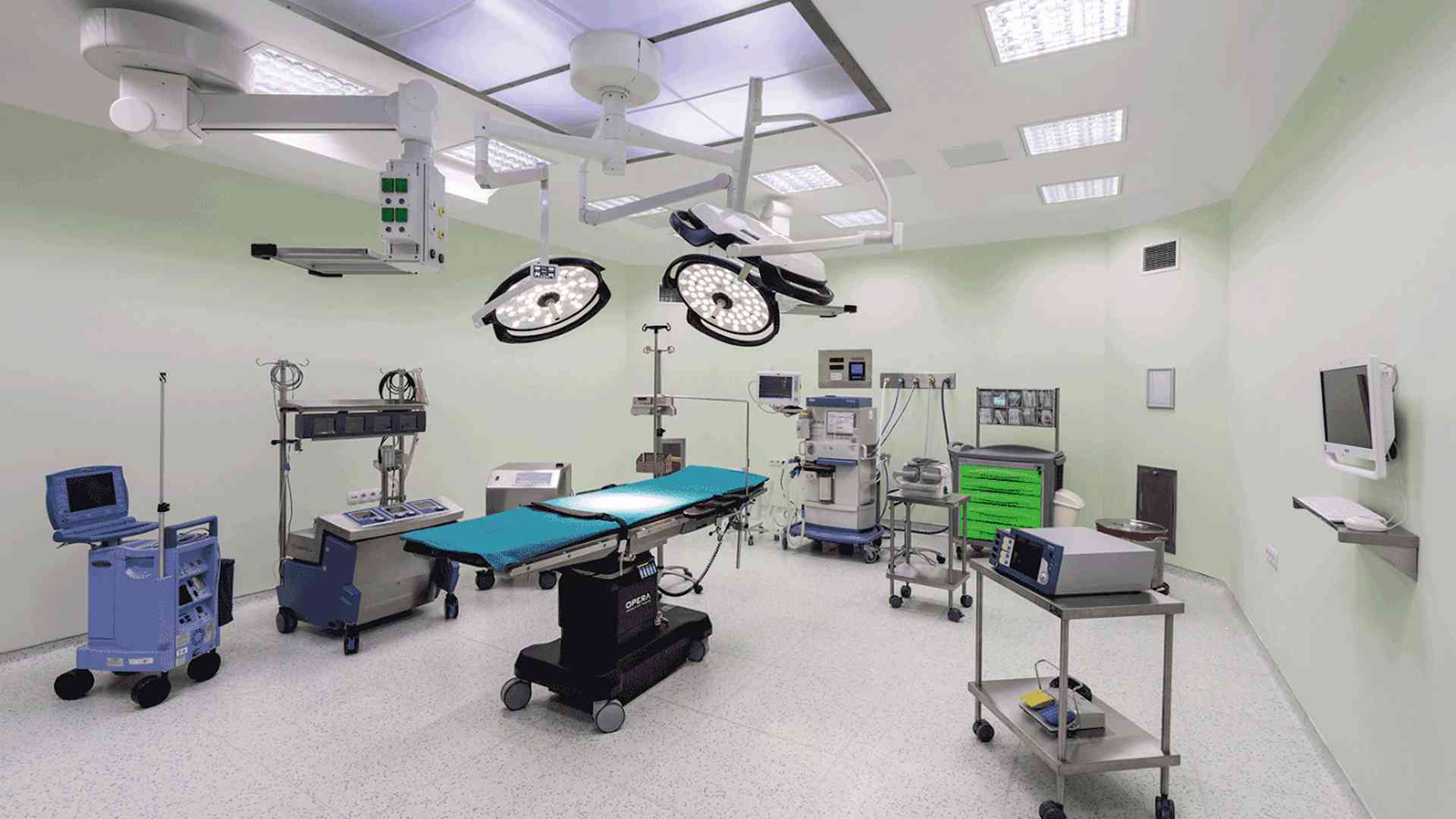

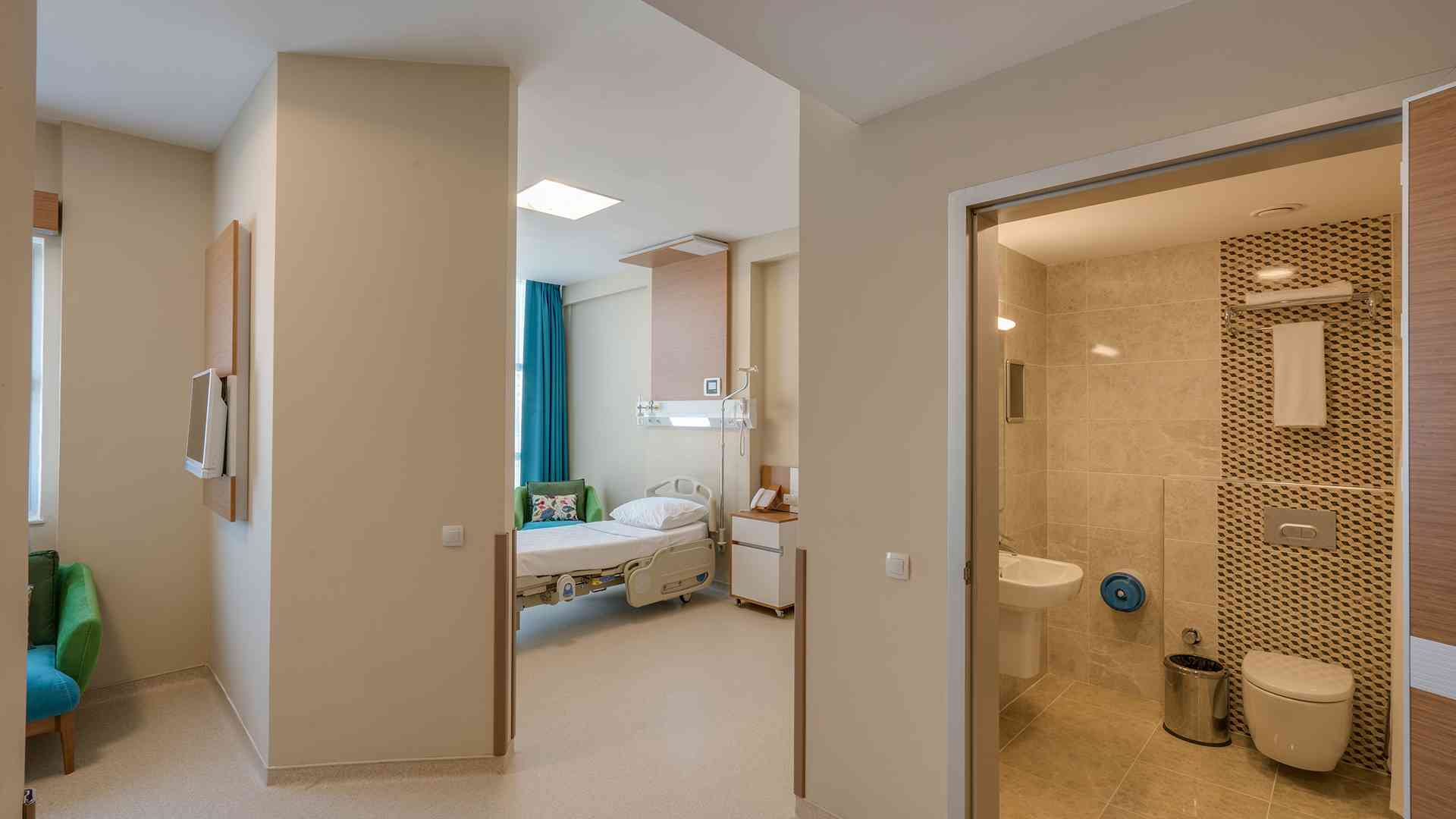

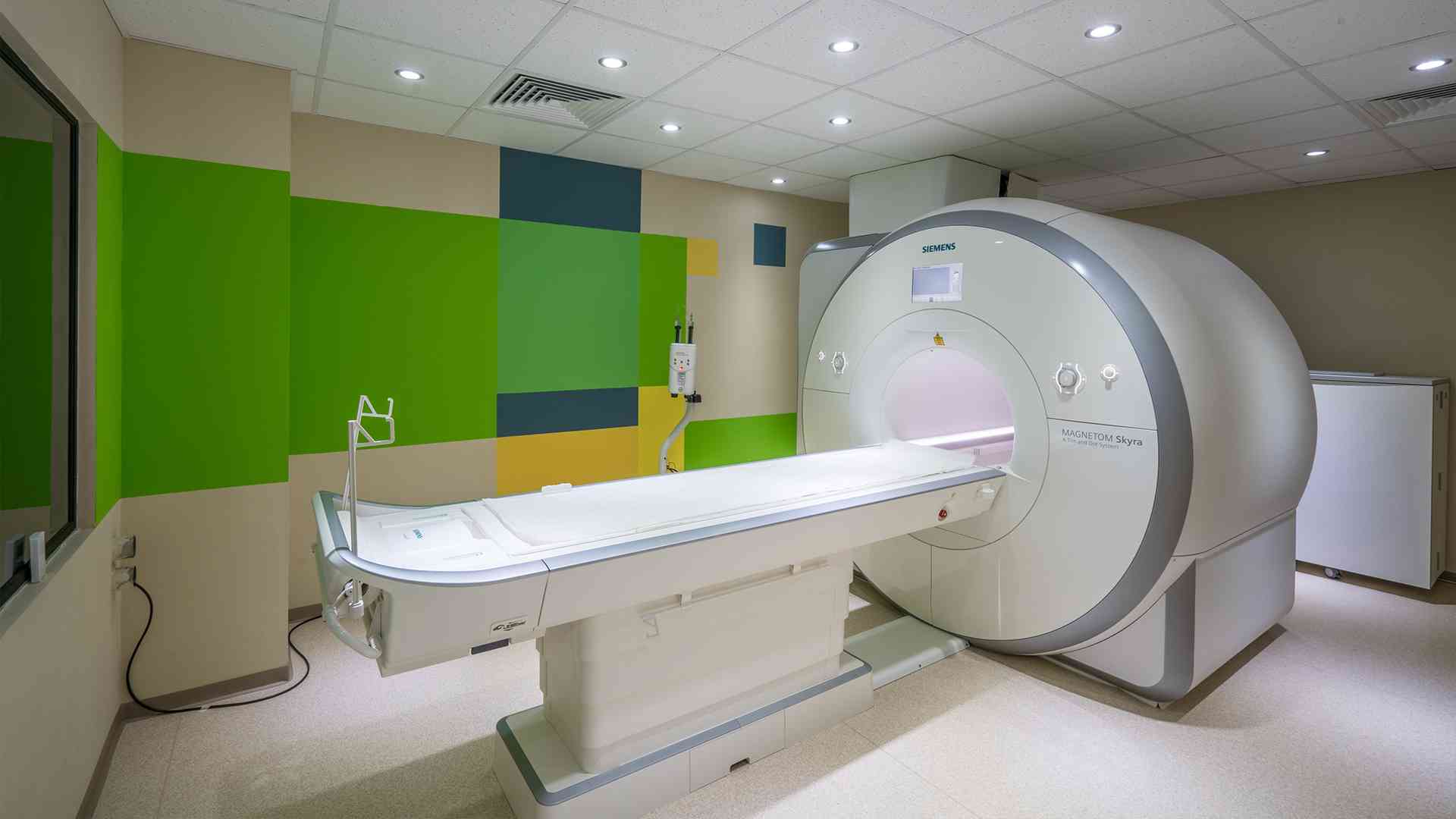


- High Quality Healthcare: Turkey is home to world-renowned specialists in the field of surgery and health institutions with the most advanced technologies. Modern hospitals are equipped with advanced diagnostic and treatment methods and have international accreditations.
- Competitive Prices: Turkey offers high quality healthcare services at more affordable costs, especially compared to Europe and America. This eases the financial burden of patients while at the same time ensuring that they receive the best treatment.
- Comprehensive Treatment Packages: Health institutions in Antalya meet all the needs of patients under one roof by offering comprehensive packages that include accommodation, transportation and treatment services. This provides comfort and convenience throughout the process.
- Fast and Effective Treatment Processes: Access to healthcare services in Turkey is quite fast. Without long waiting times, patients can access the necessary treatment and surgical interventions in a short time. With treatment plans specially prepared for each patient, the most appropriate solutions are offered to the needs of the patients.
- Ease of Travelling: Antalya has an international airport and is easily accessible from all over the world. At the same time, Turkey offers visa-free entry from many countries, and for those who need a visa, a fast and practical visa process is provided.
- Treatment Opportunity on Holiday: It is possible to spend the post-treatment rest and recovery period in luxury hotels and along the coast, accompanied by the magnificent views of the Mediterranean Sea.
- Foreign Language Support: Experienced patient coordinators facilitate your entire treatment process by eliminating language barriers and offer you uninterrupted guidance every step of the way.
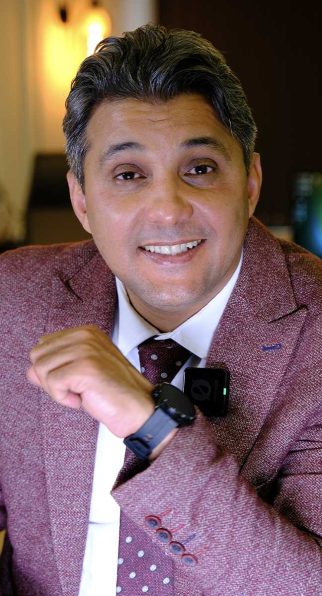
Pancreatic Surgery with Prof. Dr. Tuğrul Çakır
- Experience and Expertise: A leading name in the treatment of pancreatic diseases with years of experience and high success rates.
- Patient Approach: It approaches the needs of patients with care by creating personalised treatment plans for each patient.
- Innovative Treatment Approaches: Aims to achieve reliable and effective results in surgical interventions by using the latest technology.
- Personal Follow-up and Support: We closely follow our patients before and after the operation and provide support whenever they need it.
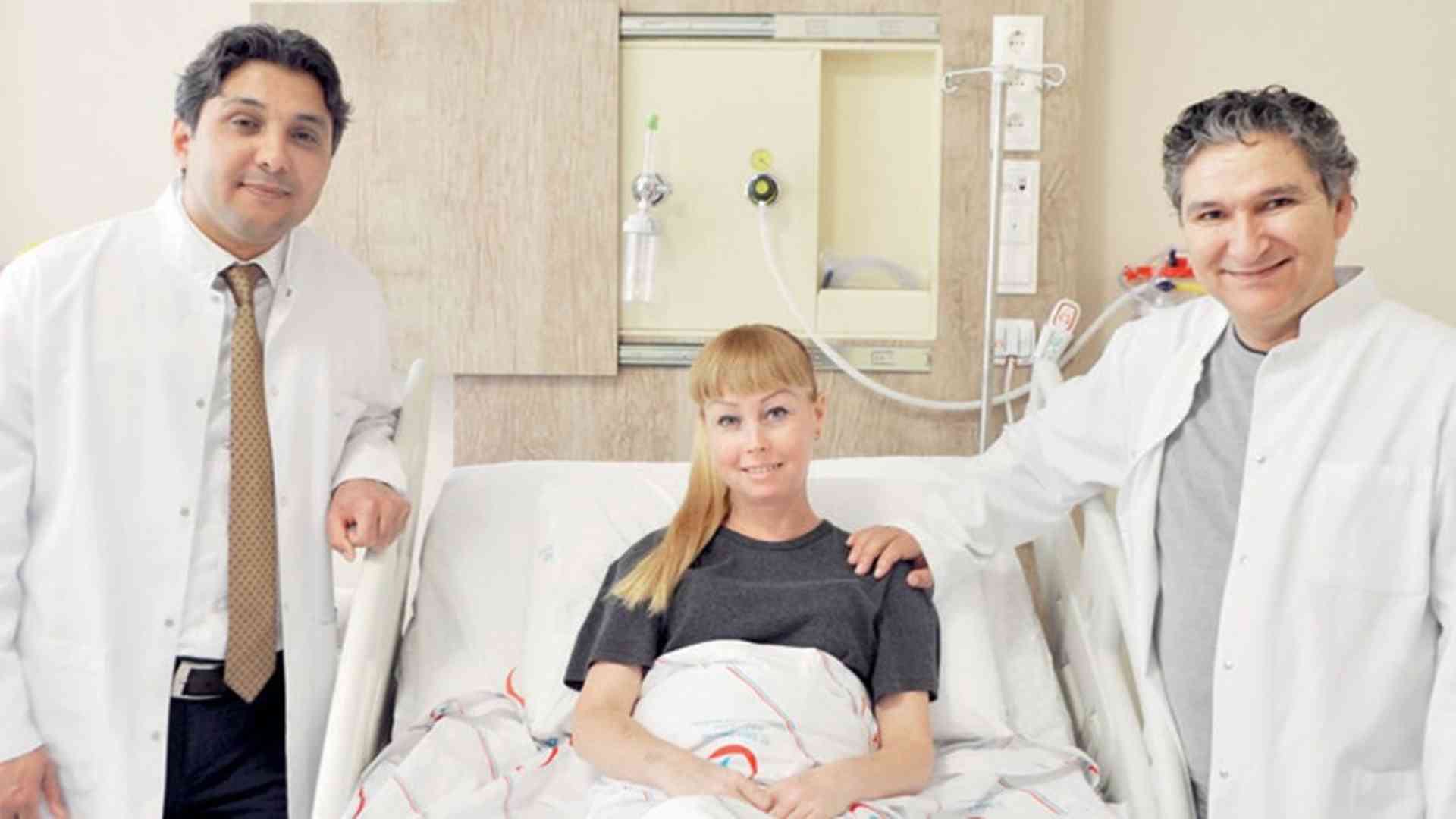
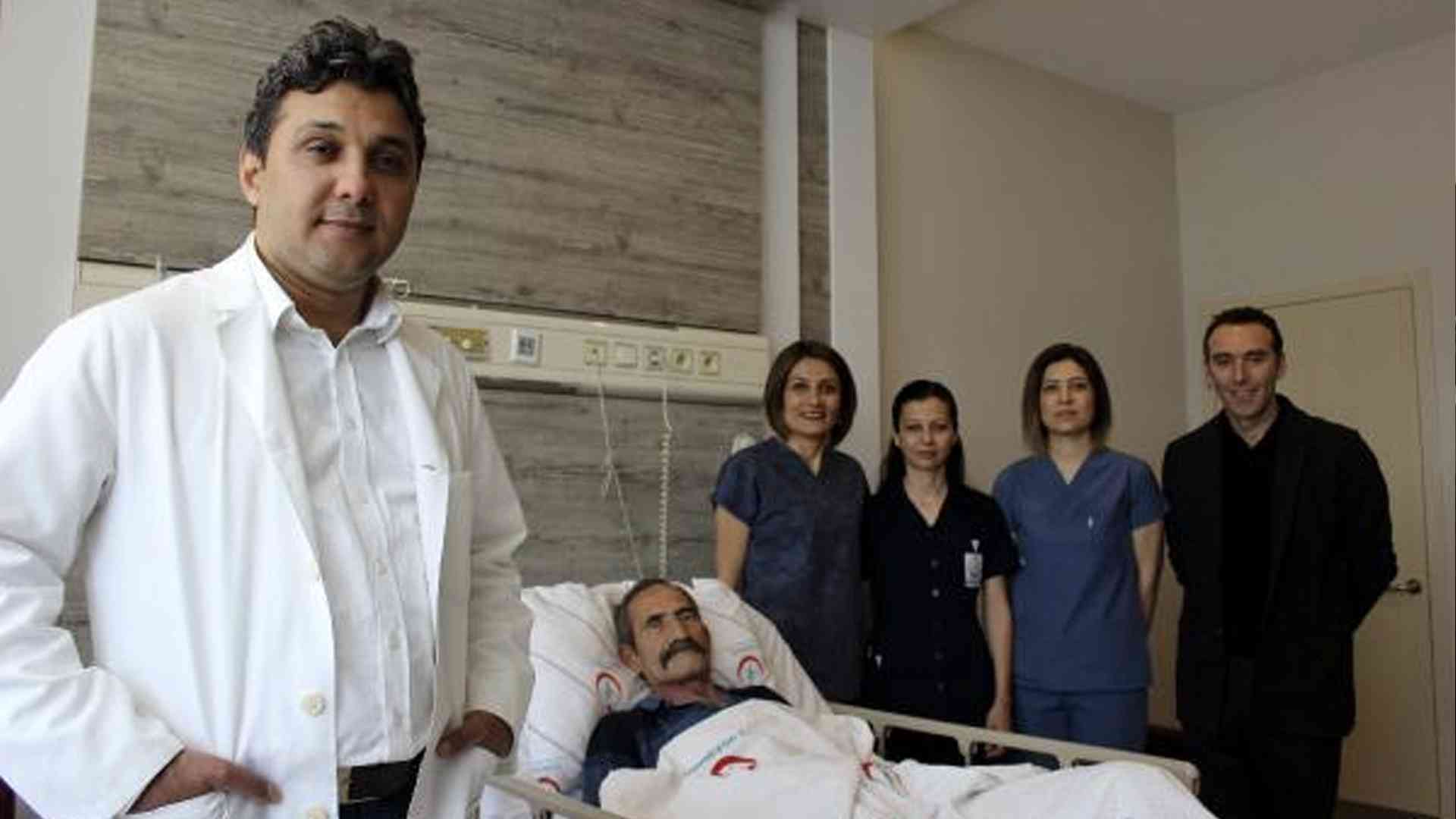
Pancreatic surgery includes surgical procedures to treat tumours, cysts or other diseases of the pancreas. These surgical operations may involve the removal of part or all of the pancreas.
Pancreatic surgery is usually performed to treat conditions such as pancreatic cancer, pancreatitis, pancreatic cysts and rare pancreatic tumours.
Like any surgical intervention, pancreatic surgery has some risks. These risks may include infection, bleeding, development of diabetes, pancreatic fistula and complications during the postoperative recovery process.
The recovery time varies depending on the type of surgery performed and the patient’s general state of health. It may usually require a stay in hospital for several weeks and full recovery may take several months.
In the postoperative period, easily digestible foods should be preferred and fatty and heavy foods should be avoided. Sugar intake should also be carefully monitored due to the risk of diabetes development.
Quality of life after surgery varies depending on the extent of surgery and how much of the pancreas was removed. Most patients can return to their normal lives, but some may experience diabetes or digestive problems.
After surgery, the patient’s condition is closely monitored with regular medical controls, blood tests and imaging methods. These controls allow early detection of possible complications.
Yes, there is a risk of developing diabetes if part or all of the pancreas is removed. This is due to the reduced capacity of the pancreas to produce insulin.