

What is Swallowing Disorder Surgery?
Swallowing disorder surgery involves treating problems that occur in swallowing functions with surgical intervention. Swallowing is a complex and vital function of the body, ensuring the safe delivery of food and fluids to the stomach. Therefore, swallowing disorder surgery is an area that requires extreme care and expertise.
In which cases is swallowing disorder surgery required?
- Oesophageal Tumours
- Oesophageal Strictures
- Achalasia
- Diverticula
- Neurological Disorders
- Trauma
Treatments Offered in Swallowing Disorder Surgery
Dilation (Expansion) Procedure
Fundoplication
Myotomy
Oesophageal Stent
Laryngopharyngeal Surgery
Tumour Resection
Swallowing Disorder Surgery Treatment Process in Turkey
Preliminary Interview and Evaluation
Treatment Planning and Travel Arrangements
Preoperative Preparation
Surgical Intervention
Postoperative Care and Rehabilitation
Recovery on Holiday
Post-Treatment Monitoring and Support
Why Should You Choose Antalya, Turkey for Swallowing Disorder Surgery?
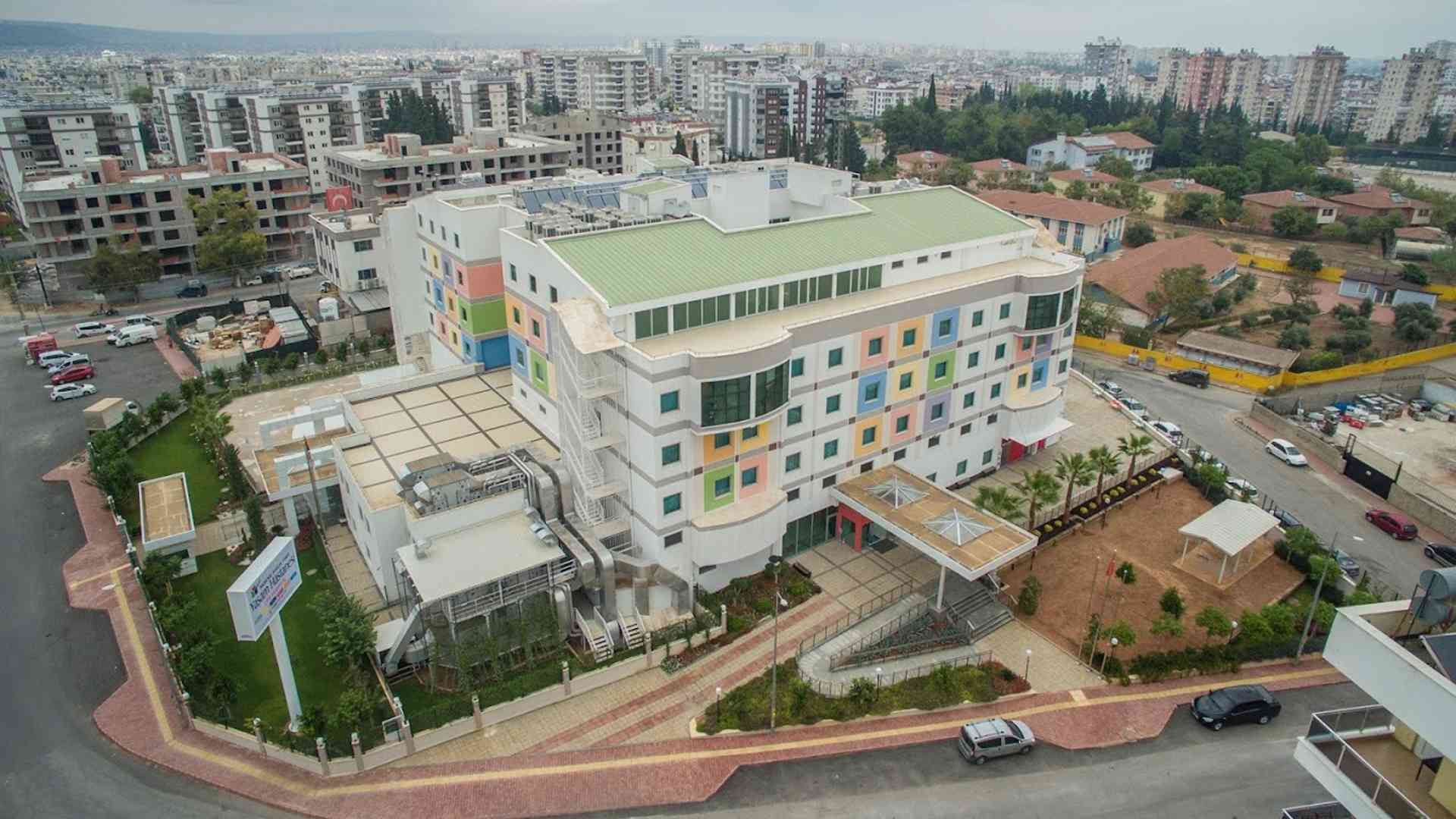

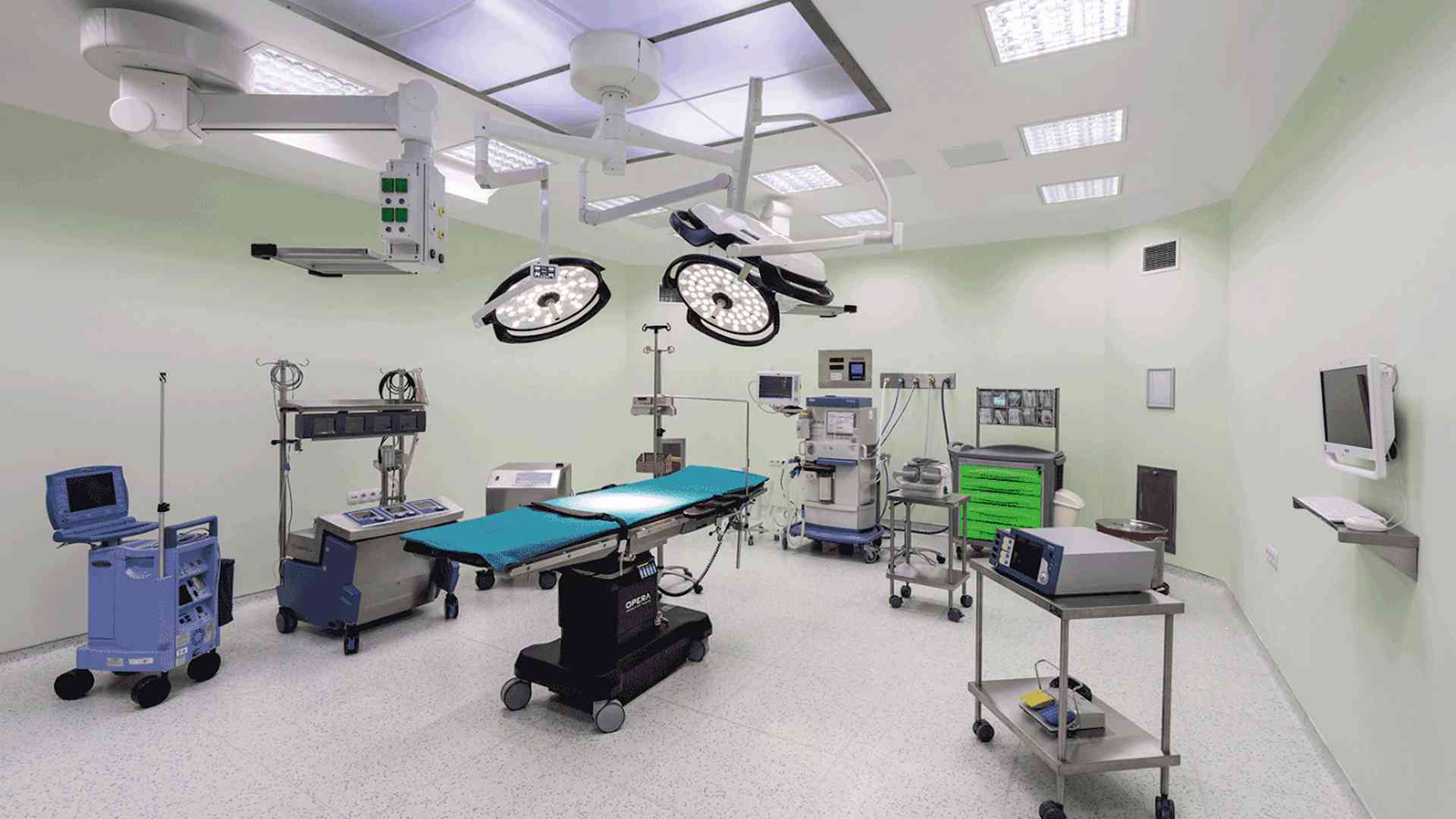

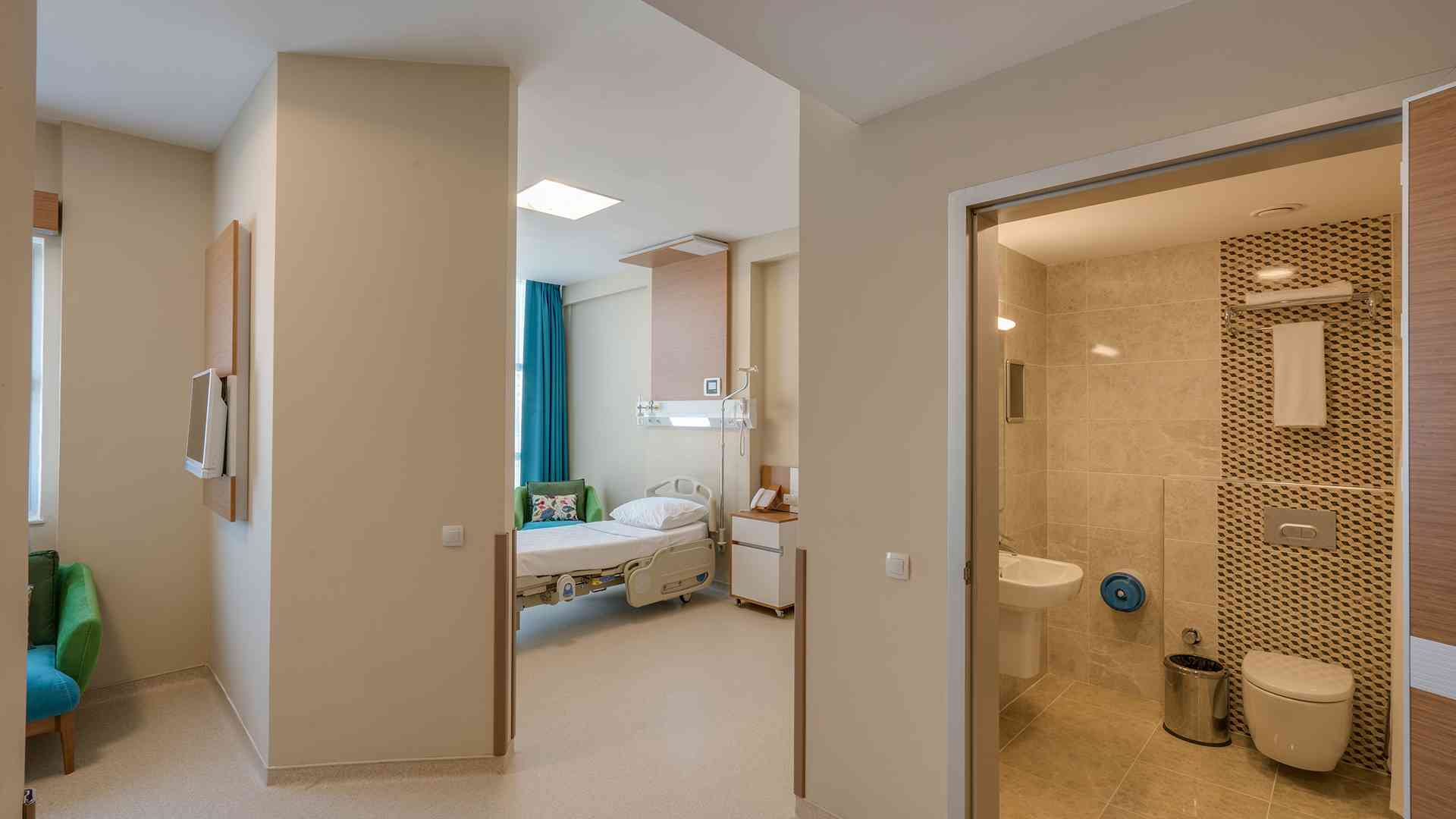

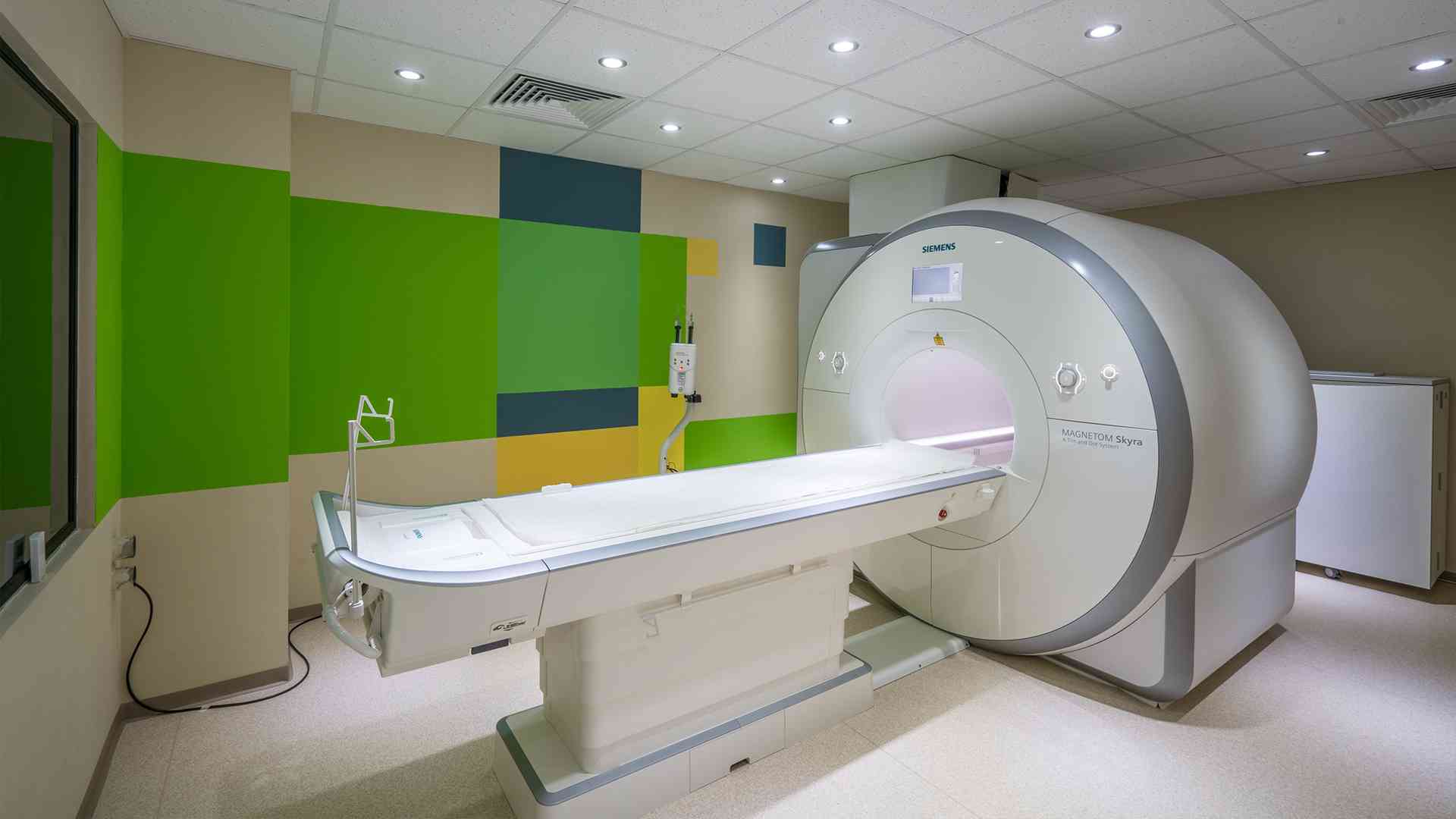

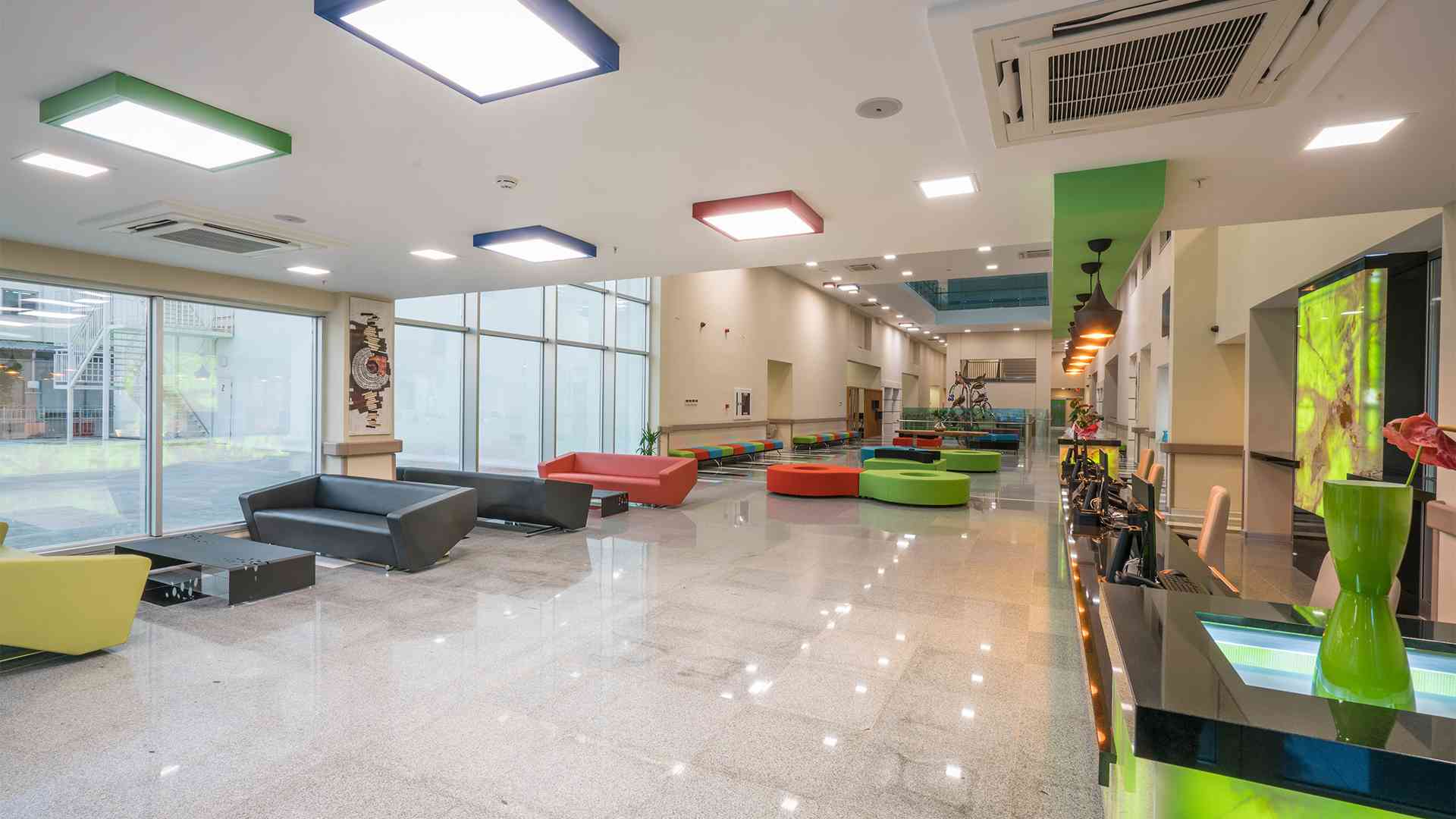
- High Quality Healthcare: Turkey is home to world-renowned specialists in the field of surgery and health institutions with the most advanced technologies. Modern hospitals are equipped with advanced diagnostic and treatment methods and have international accreditations.
- Competitive Prices: Turkey offers high quality healthcare services at more affordable costs, especially compared to Europe and America. This eases the financial burden of patients while at the same time ensuring that they receive the best treatment.
- Comprehensive Treatment Packages: Health institutions in Antalya meet all the needs of patients under one roof by offering comprehensive packages that include accommodation, transportation and treatment services. This provides comfort and convenience throughout the process.
- Fast and Effective Treatment Processes: Access to healthcare services in Turkey is quite fast. Without long waiting times, patients can access the necessary treatment and surgical interventions in a short time. With treatment plans specially prepared for each patient, the most appropriate solutions are offered to the needs of the patients.
- Ease of Travelling: Antalya has an international airport and is easily accessible from all over the world. At the same time, Turkey offers visa-free entry from many countries, and for those who need a visa, a fast and practical visa process is provided.
- Treatment Opportunity on Holiday: It is possible to spend the post-treatment rest and recovery period in luxury hotels and along the coast, accompanied by the magnificent views of the Mediterranean Sea.
- Foreign Language Support: Experienced patient coordinators facilitate your entire treatment process by eliminating language barriers and offer you uninterrupted guidance every step of the way.

Swallowing Disorder Surgery with Prof. Dr. Tuğrul Çakır
- Experience and Expertise: A leading name in the treatment of swallowing disorders with years of experience and high success rates.
- Patient Approach: It approaches the needs of patients with care by creating personalised treatment plans for each patient.
- Innovative Treatment Approaches: Aims to achieve reliable and effective results in surgical interventions by using the latest technology.
- Personal Follow-up and Support: We closely follow our patients before and after the operation and provide support whenever they need it.
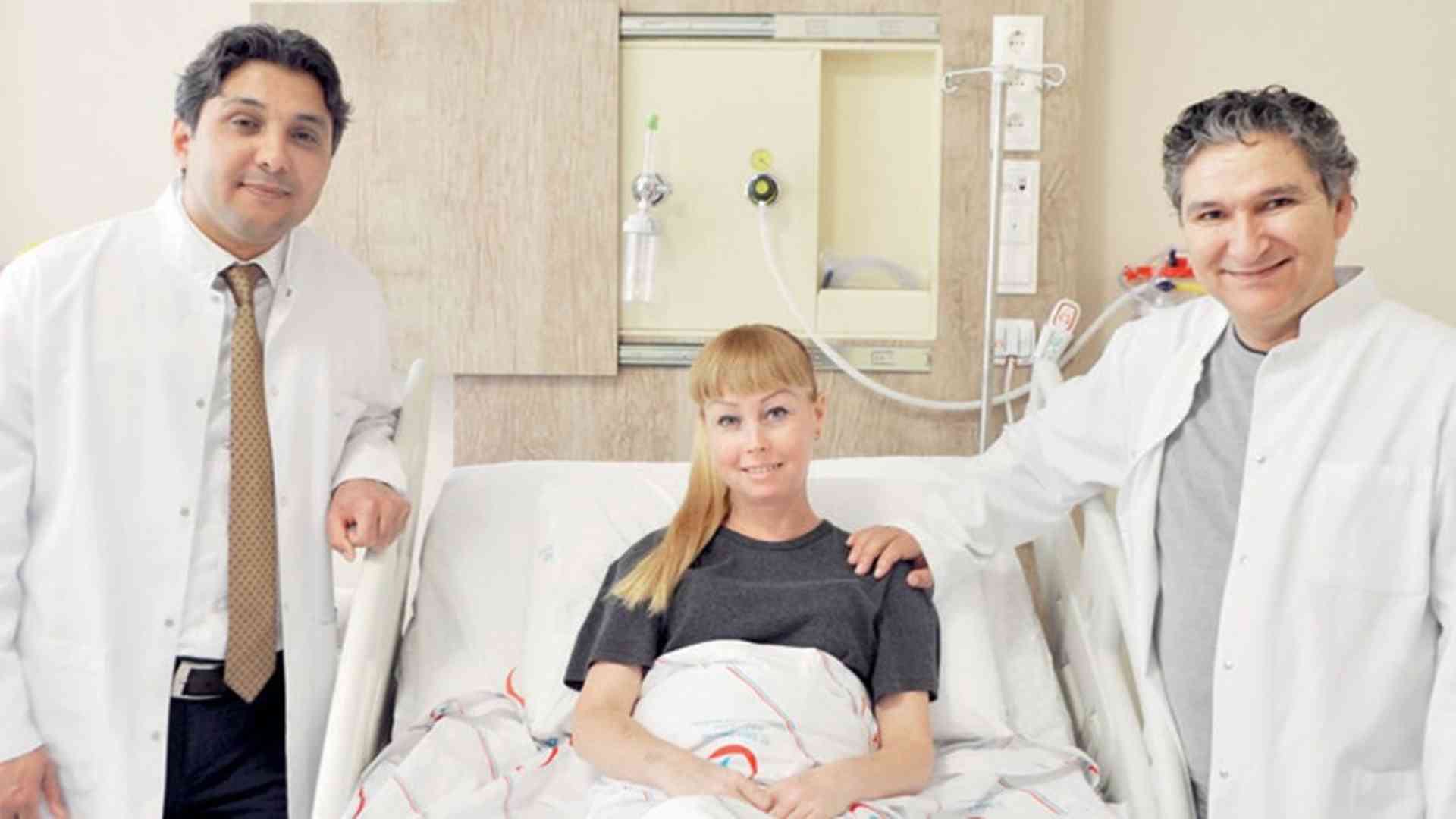
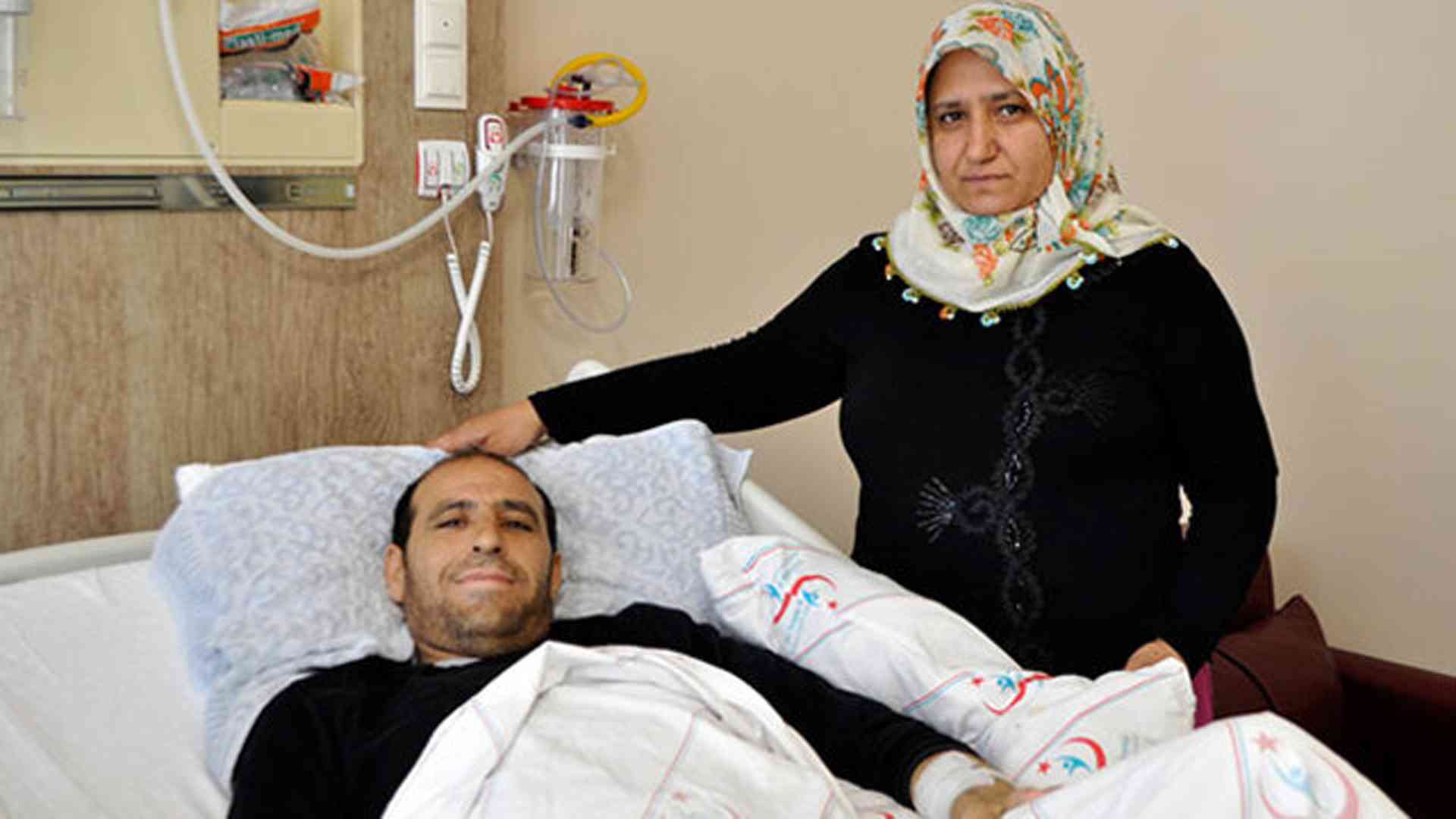
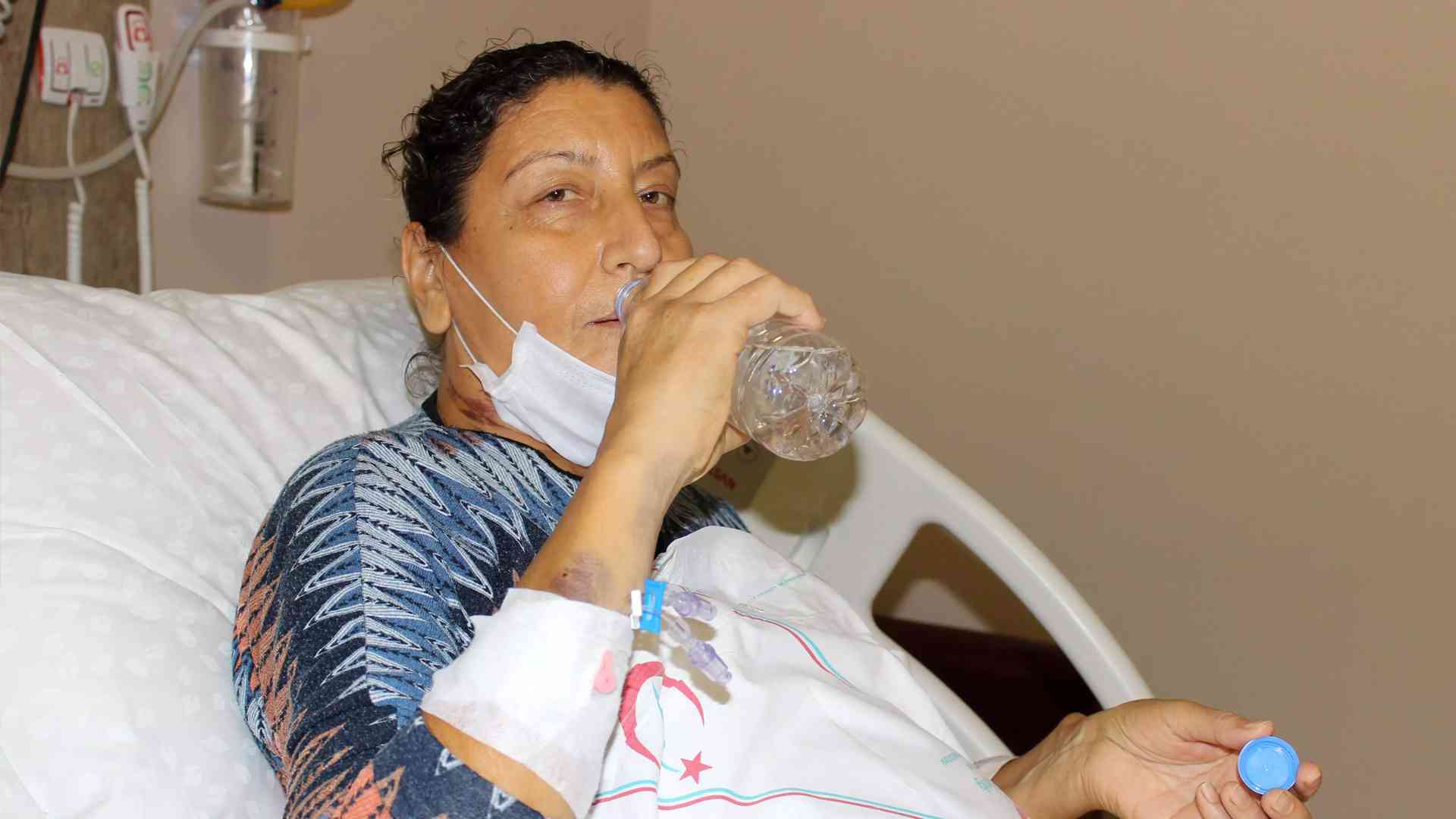
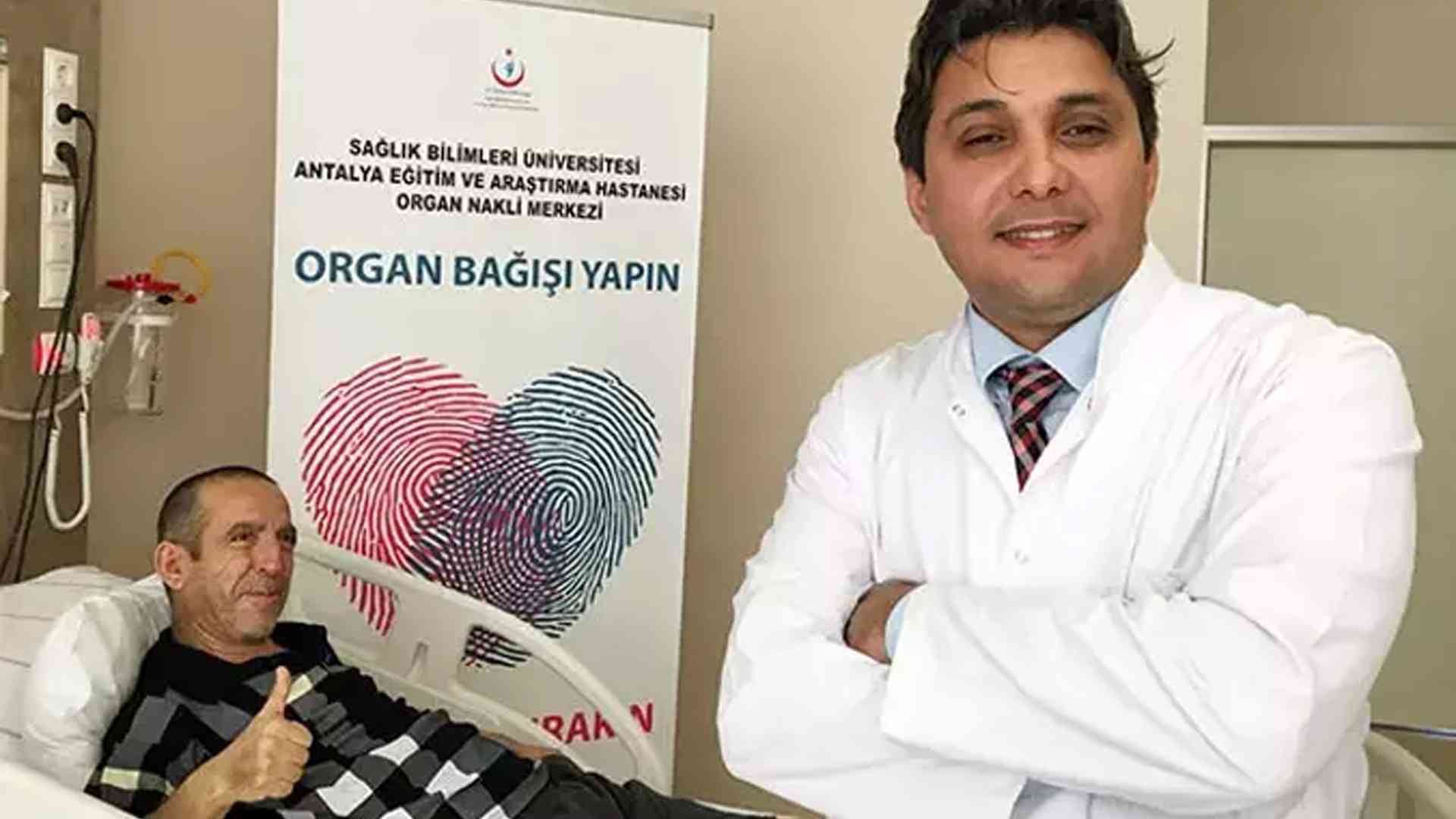
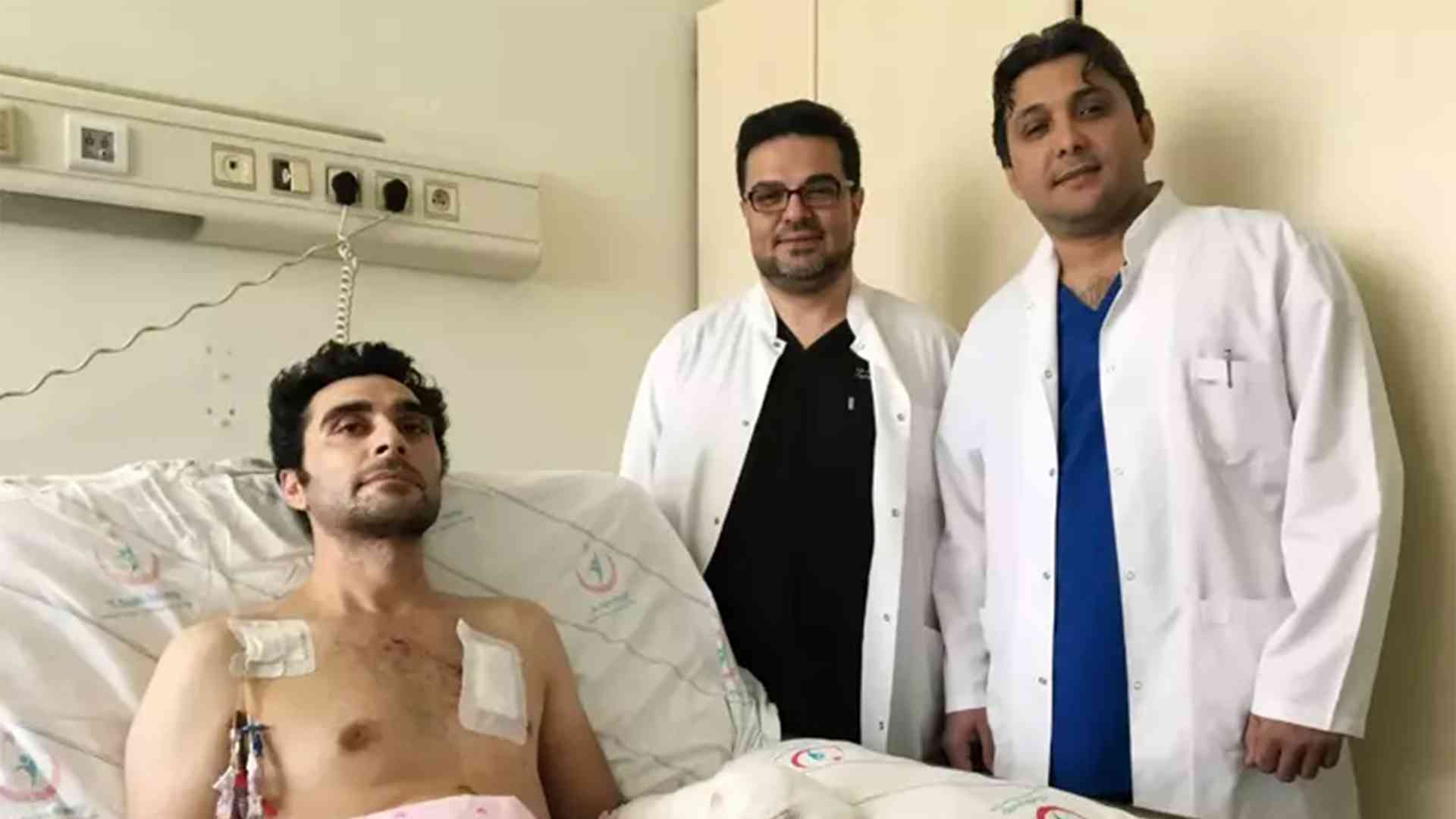
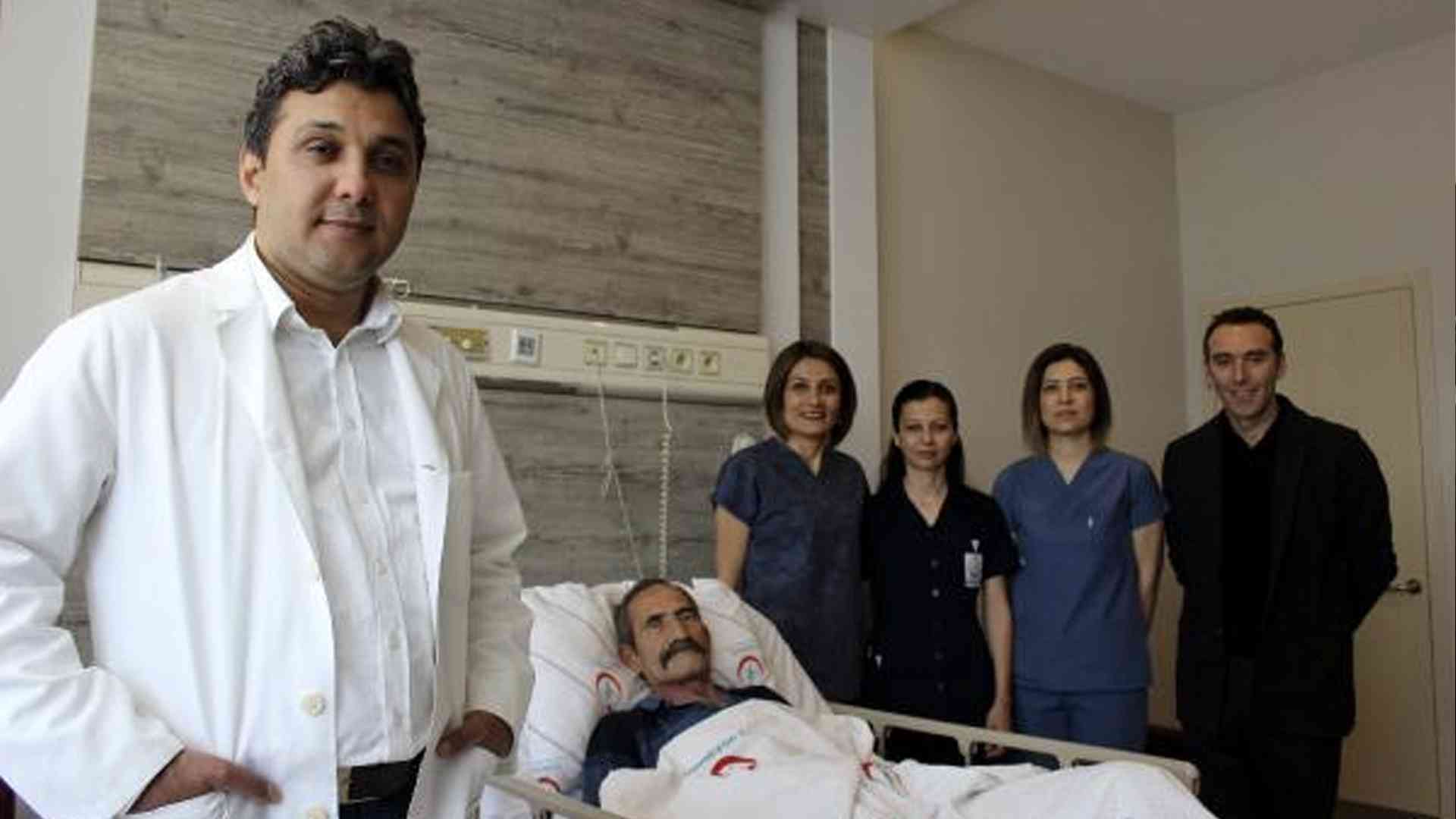
A swallowing disorder is a condition in which a person has difficulty passing food, liquid or saliva from the mouth to the stomach. This can seriously affect quality of life and lead to various health problems.
Symptoms such as difficulty swallowing, feeling of tightness in the throat, regurgitation of food, frequent feeling of suffocation, weight loss and cough may be observed.
Swallowing disorder surgery is often necessary when other treatment methods are inadequate, especially when there is an anatomical obstacle or severe muscular problems.
Swallowing disorder surgery involves corrective procedures in the throat and oesophagus to improve swallowing function. These procedures can be performed by open surgery or minimally invasive techniques.
As with any surgical procedure, there are risks such as infection, bleeding, anaesthesia-related risks and wound healing problems at the surgical site. However, these risks are rare.
The healing process varies depending on the surgical method. Usually, a recovery period of several days to several weeks is required. During this period, special diets and rehabilitation may be required to regain swallowing function.
After a successful surgical intervention, the majority of patients observe a marked improvement in swallowing function. Long-term results depend on the type of surgical intervention and the patient’s general state of health.
In the early postoperative period, liquid and soft diets are recommended. In time, transition to solid foods is made. Nutritional habits should be regulated by a specialised dietician after surgery.
Surgery for swallowing disorders is usually performed by otolaryngologists, general surgeons or gastroenterologists.