
Basic Functions of the Pancreas
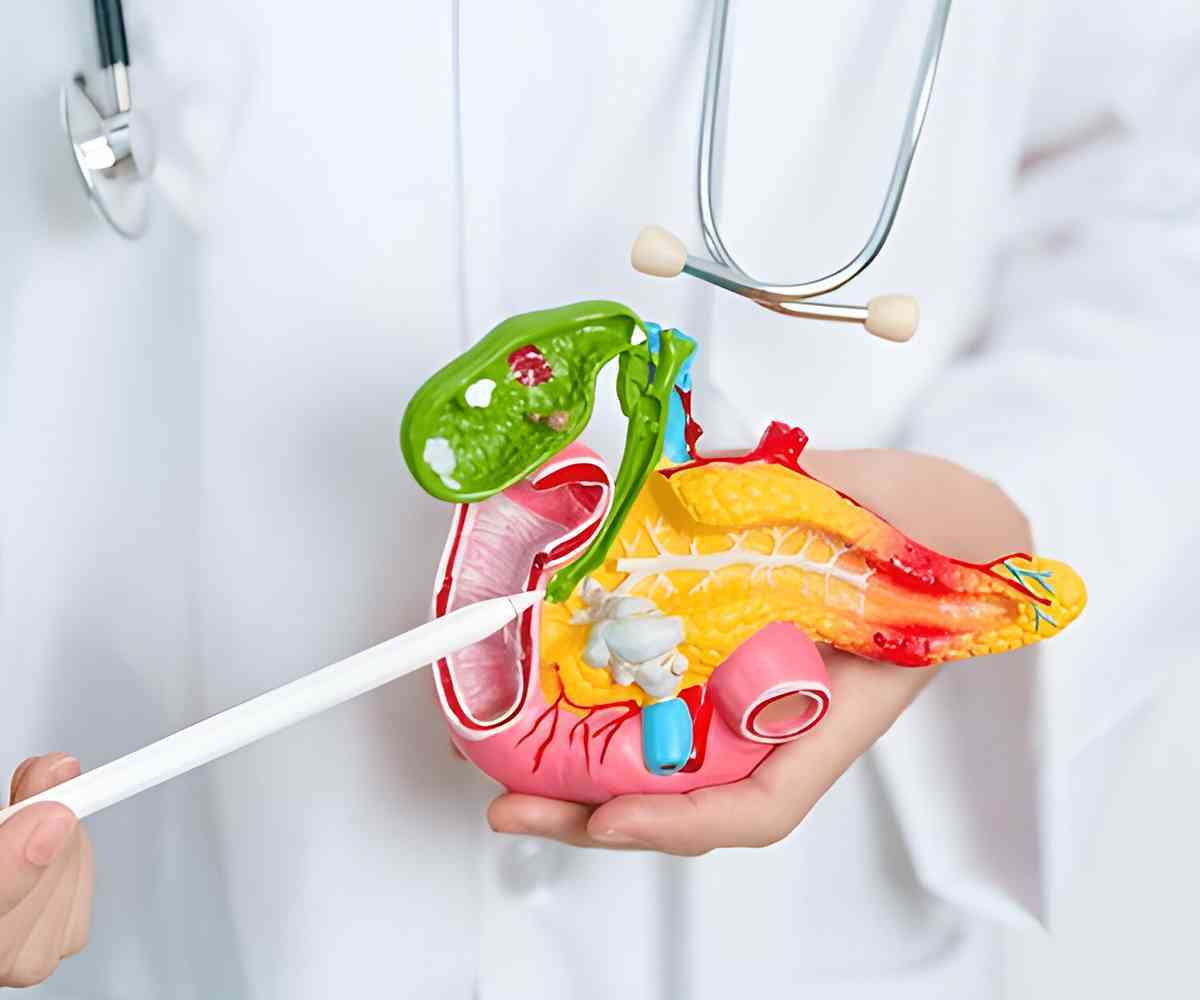
The pancreas is an organ located in the retroperitoneal region and is involved in both digestion and endocrine system functions.
The pancreas is an organ that makes endocrine and exocrine secretions. Endocrine secretions are hormones such as insulin, glucagon, somatostatin and exocrine secretions;

- Amylase: Converts carbohydrates such as starch and glycogen into disaccharides and trisaccharides)
- Lipase: Converts neutral fats into the small building blocks fatty acids and monoglycerides.
- Phospholipase A2 and phosphotase: Provides hydrolysis of fatty acids.
- Colipase; It has a role in the protection of lipase, the other released enzyme, from bile acids.
- Trypsinogen; It provides the breakdown of peptides, which are the building blocks of amino acids, and activation of all other pancreatic enzymes.
- Chymotrypsinogen Elastase: It plays a very important role in digestion by releasing many enzymes including carboxypeptidases A and B.
Pancreas Anatomy
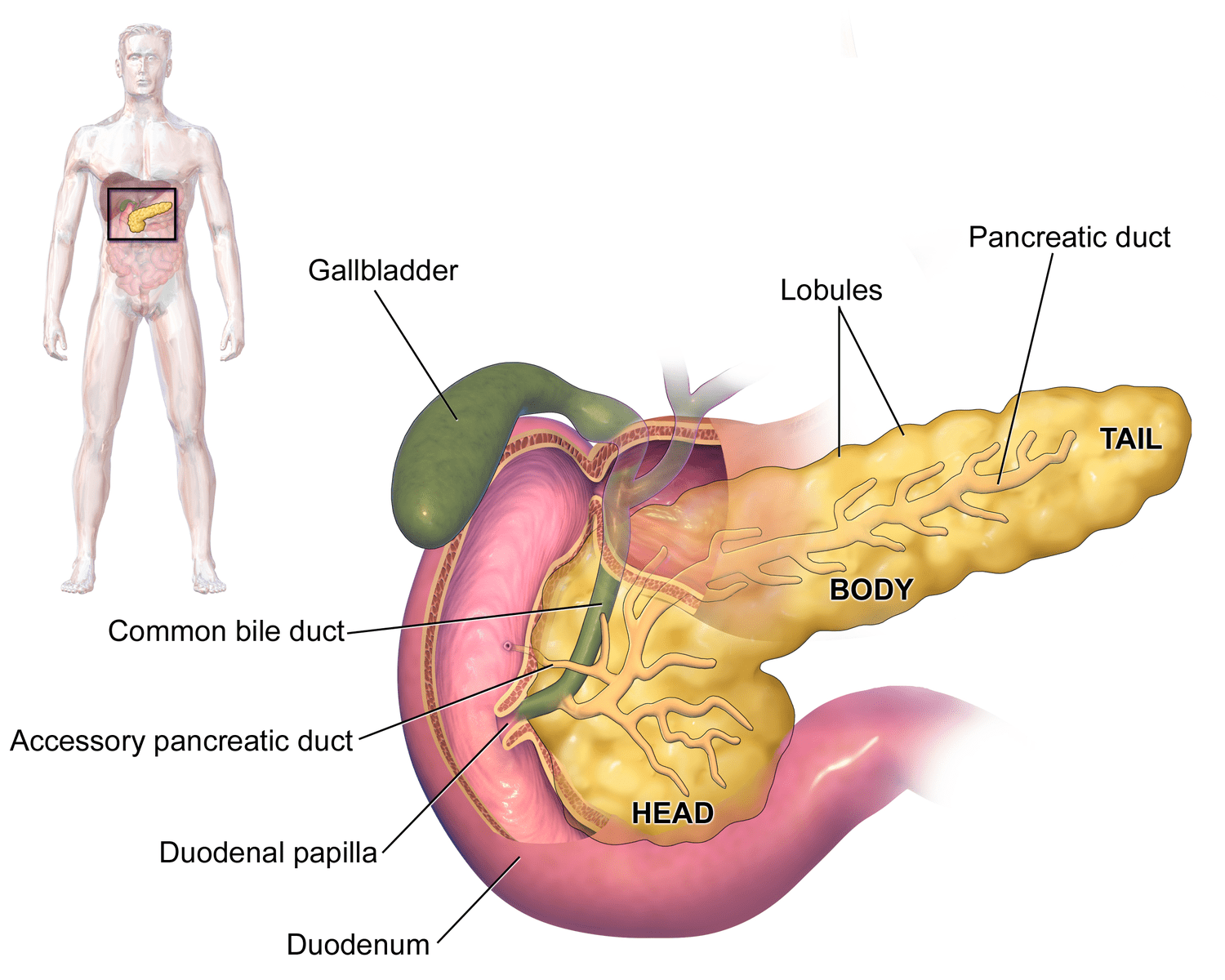
No other organ in the abdomen is surrounded by as many anatomical structures as the pancreas. It is surrounded by structures such as the duodenum, stomach, spleen, left kidney, left adrenal, transverse mesocolon, right ureter and jejunum.
Pancreatic Vessels
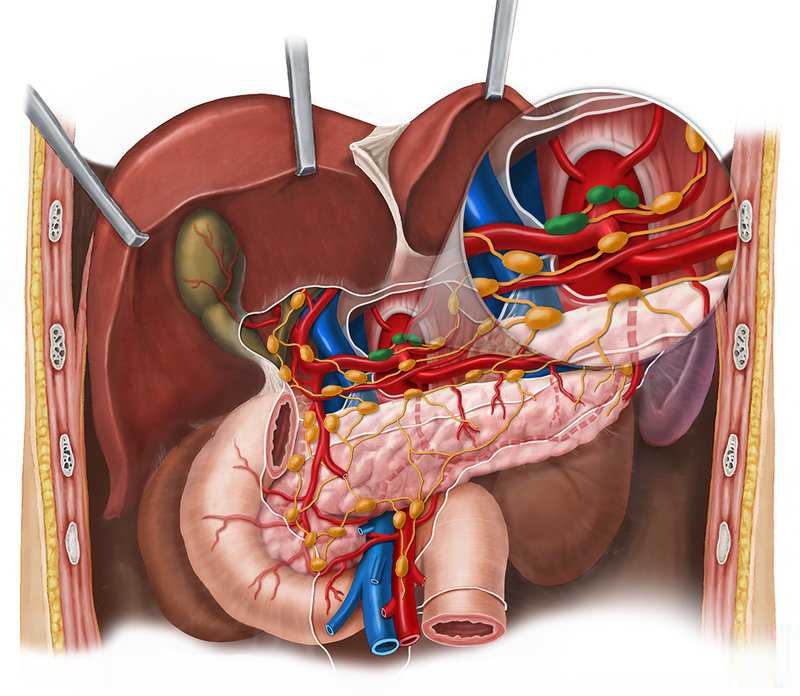
It has a complex nutrition such as the splenic artery originating from the celiac artery and the Dorsal Pancreatic artery and its continuation, the Transverse pancreatic artery, the Great pancreatic artery and the caudal pancreatic artery, the Gastroduedonal artery arising from the hepatic artery and the Anterior and Posterior Superior Pancreaticoduedonal artery arising from it, the Anterior and Posterior Inferior Pancreaticoduedonal artery arising from the superior mesenteric artery. The arterial supply is followed by the venous system.
Pancreas Diseases
Pancreatic disorders refer to dysfunction of an important organ that plays an important role in our body. The pancreas secretes hormones such as insulin and glucagon and also produces digestive enzymes. Pancreatic disorders can cause these functions to be impaired and can lead to serious health problems.
Examples of pancreatic disorders may include
Pancreatitis: This is inflammation of the pancreas and can be acute or chronic. Pancreatitis is often caused by factors such as alcohol consumption, gallstones or high triglyceride levels. Symptoms include severe abdominal pain, nausea, vomiting and fever.
Pancreatic cancer Pancreatic cancer is the growth of cancerous cells in the pancreas. It is asymptomatic in the early stages and is usually detected in advanced stages. Symptoms include abdominal pain, weight loss, loss of appetite, jaundice and digestive problems.
Pancreatic cysts Pancreatic cysts are fluid-filled sacs in the pancreas. Some cysts are harmless, while others can be cancerous. Symptoms include abdominal pain, bloating and loss of appetite.
Pancreatic infections Pancreatic infections are inflammation of the pancreas caused by infection. Symptoms include fever, abdominal pain and loss of appetite.
Pancreatic insufficiency Pancreatic insufficiency is when the pancreas cannot produce enough digestive enzymes and hormones. Symptoms include bloating, diarrhea, weight loss and loss of appetite.
Treatment options can vary depending on the cause, severity and symptoms of pancreatic malfunction. Treatment options include medicines, surgery, radiotherapy and chemotherapy.
To summarize, pancreatic disorders can lead to serious health problems and early detection and treatment is important. If you have symptoms, it is important to consult a health professional.
Pancreatic Lymphatic System
It consists of Superior Nodes, Inferior Nodes, Anterior Nodes, Posterior Nodes and Splenic Nodes. As in every cancer surgery, all of the lymph node structures draining that area should be removed together with the perioperative specimen while the relevant area affected by cancer is removed.