

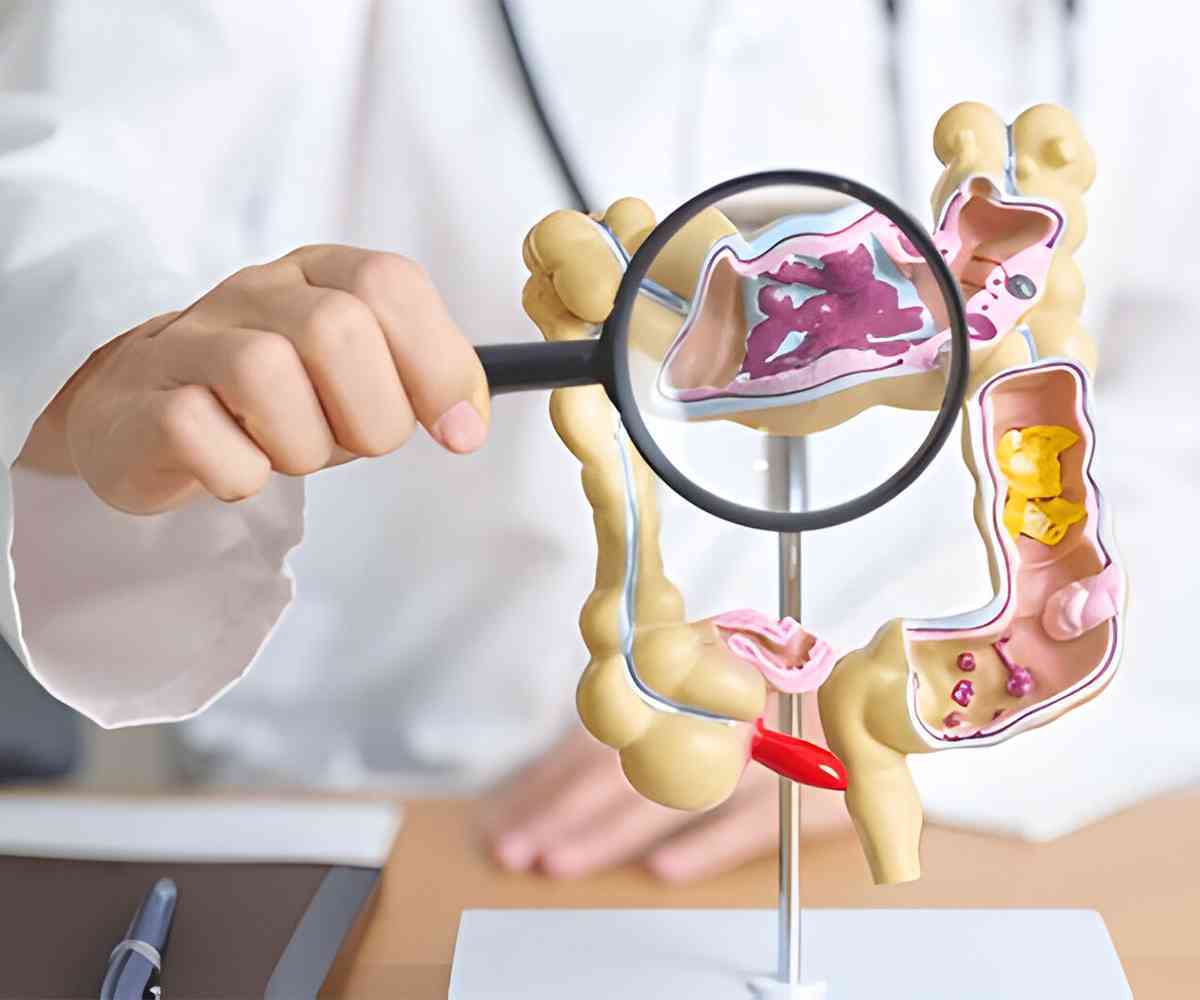
Anatomical Structure of the Colon
The large intestine is the last part of the digestive system. Anatomically and functionally, the large intestine is divided into the colon, rectum and anal canal.
The colon is thicker than the small intestine, about 200 cm long, where stool is formed and stored. The colon narrows distally, from about 7.5 cm in diameter at the cecum to 2.5 cm at the end of the sigmoid colon.

The aqueous small intestinal contents are poured into the colon, which absorbs the water and salt and forms solid/semi-solid stool. In Turkey, colon and rectal cancers are the 4th most common cancer in men and 3rd most common cancer in women.
Major Symptoms in Colon Diseases (Symptoms)
- Feeling that the intestine is not completely emptied even if defecation is performed.
- Disruption of the defecation pattern (diarrhoea, constipation)
- Bleeding or blood in the faeces.
- Pain during defecation.
- Transparent secretion in the stool.
- Abdominal pain and swelling.
Colon cancers often develop on the background of polyps. Colon cancer is a preventable disease and if you go to check-ups on time, the colon mucosa can be cleaned of polyps that cause cancer formation in the early stages.
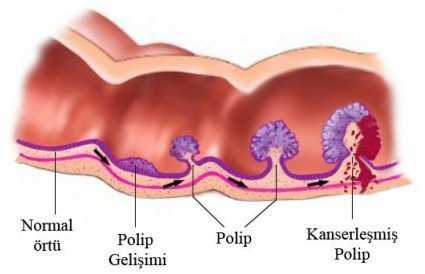
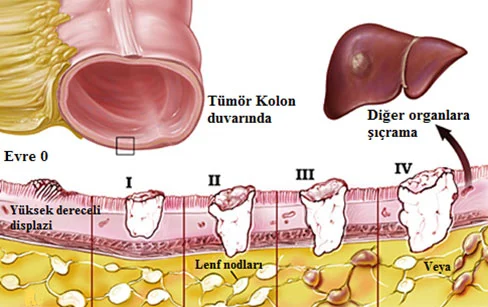
Polyps in the colon can progress above and below the mucosal layer over time. By the time they reach the submucosa, the stage is advanced and they can become metastatic.
“Early diagnosis ensures that the disease is eliminated before it occurs. Do not neglect your controls. “Prof. Dr. Tuğrul Çakır